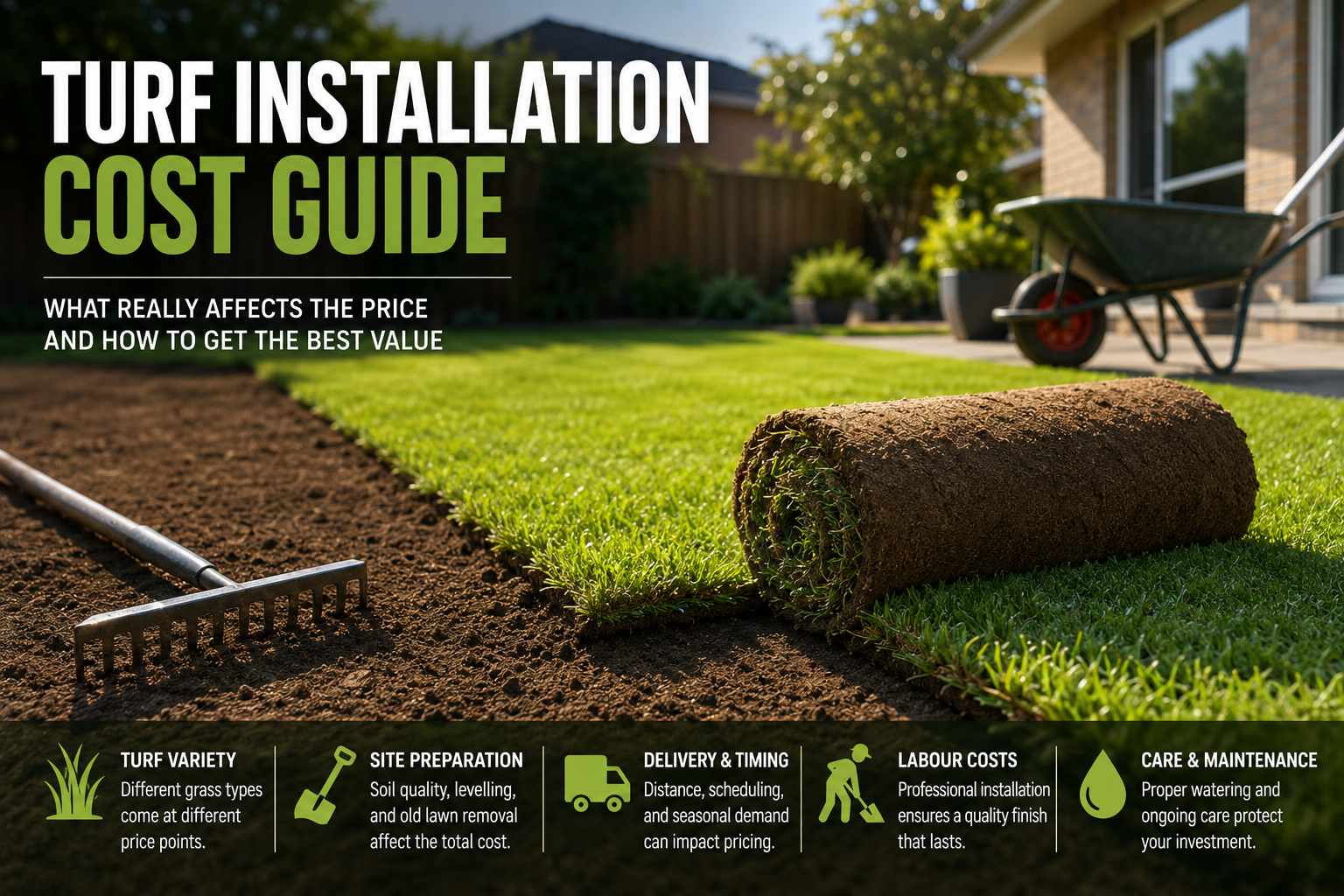
What Affects the Cost of Laying New Turf
Laying new turf is one of the quickest ways to transform a tired, patchy yard into something a household can actually enjoy, but the total cost varies more than most homeowners expect.
What drives the price of turf
Turf pricing is generally calculated per square metre, and the final figure depends heavily on the grass variety chosen, the size of the area, and how far the supplier has to deliver it.
Premium varieties bred for shade tolerance, drought resistance, or a particularly fine appearance typically cost more per roll than standard couch or buffalo blends used in everyday residential lawns.
Choosing the right turf variety
Homeowners often assume the cheapest turf available is the best value, but a variety poorly suited to local conditions can struggle to establish and require costly replacement within a year or two.
Speaking with a specialist about Camden turf installation before committing to an order helps match the right grass type to the site, factoring in sun exposure, soil type, and expected foot traffic.
A short conversation with an experienced supplier before ordering can save considerable money over the following seasons by avoiding a mismatch between the chosen variety and the actual growing conditions.
It is also worth asking a supplier directly about warranty terms and what happens if a portion of the delivered turf fails to establish, since policies vary considerably between different local businesses.
Preparing the site before delivery
Site preparation is frequently underestimated, and it can add meaningfully to the overall project cost if the existing lawn needs to be stripped back or the soil requires levelling beforehand.
Removing old grass, weeds, and debris, then grading the surface so water drains away from the house, takes real time and sometimes specialist equipment that a homeowner may not already own.
Soil quality and existing ground conditions
Poor soil quality is one of the most common hidden costs in a turf project, since compacted clay or nutrient-poor ground often needs topsoil or conditioner added before turf can properly root.
A simple soil test beforehand can reveal whether extra preparation is genuinely necessary, helping avoid an unpleasant surprise partway through what looked like a straightforward weekend project.
Delivery, timing and seasonal factors
Turf is a living product that needs to be laid within a day or two of harvest, so delivery scheduling and seasonal demand both influence pricing more than many people realise.
Ordering during a particularly busy spring period can sometimes mean paying a premium or waiting longer for delivery, while cooler months often bring more flexible scheduling and occasionally better pricing.
Labour and installation costs
Many homeowners choose to lay turf themselves to save on labour, though larger areas or sites with tricky access, slopes, or existing garden beds often justify hiring an experienced installation team.
Just as a poorly built website with a clunky layout can undermine an otherwise good business, turf laid without proper technique can leave visible seams, uneven edges, or patchy establishment that undermines the whole yard.
A well-considered layout matters in more than one context, and just as responsive web design helps a website perform properly across every device, careful planning helps a new lawn establish evenly across the whole yard.
Watering and establishment care
New turf needs consistent watering for the first few weeks, and some suppliers include a watering schedule or irrigation advice as part of the overall installation package.
Skipping this establishment period, or watering inconsistently, is one of the most common reasons new turf fails to take root properly, leading to costly patch repairs down the track.
Ongoing maintenance costs to factor in
Beyond the initial installation, ongoing costs such as regular mowing, fertilising, and occasional top-dressing should be factored into the overall budget rather than treated as a separate, unrelated expense.
Some turf varieties require considerably less ongoing maintenance than others, so it is worth weighing the slightly higher upfront cost of a lower-maintenance variety against years of reduced mowing and feeding.
Common mistakes that add unnecessary cost
Ordering the wrong quantity is a surprisingly common and costly mistake, since underestimating the area means a second, smaller delivery at a higher per-square-metre rate to cover the shortfall.
Skipping proper site preparation to save time upfront often costs more in the long run, since poorly prepared ground frequently leads to uneven establishment and an unsatisfying, patchy result.
Rushing the installation itself, particularly around edges and joins between rolls, can leave visible gaps that widen over time and become considerably harder to fix once the turf has fully established.
Comparing quotes from different suppliers
Getting quotes from a few different suppliers, and confirming exactly what is included in each one, makes it much easier to compare genuine value rather than just the headline price per roll.
A slightly higher quote that includes delivery, soil preparation advice, and aftercare guidance often represents better overall value than the cheapest option with nothing included beyond the turf itself.
Reading a handful of recent customer reviews for each supplier under consideration can also reveal a great deal about reliability, delivery timing, and the overall quality of service to expect.
Budgeting for the realistic total cost
A realistic budget should combine the turf itself, delivery, any site preparation, and labour if a professional installer is engaged, rather than focusing on the advertised per-square-metre price alone.
Setting aside a small contingency for unexpected soil issues or a slightly larger area than first measured tends to prevent the frustration of a mid-project budget blowout.
Getting the best value for your yard
Understanding what genuinely drives turf pricing helps homeowners plan realistically and avoid unpleasant surprises partway through what should be a straightforward, satisfying home improvement project.
Taking the time to compare varieties, prepare the site properly, and choose a reputable local supplier remains the most reliable way to end up with a lawn that looks good for years to come.