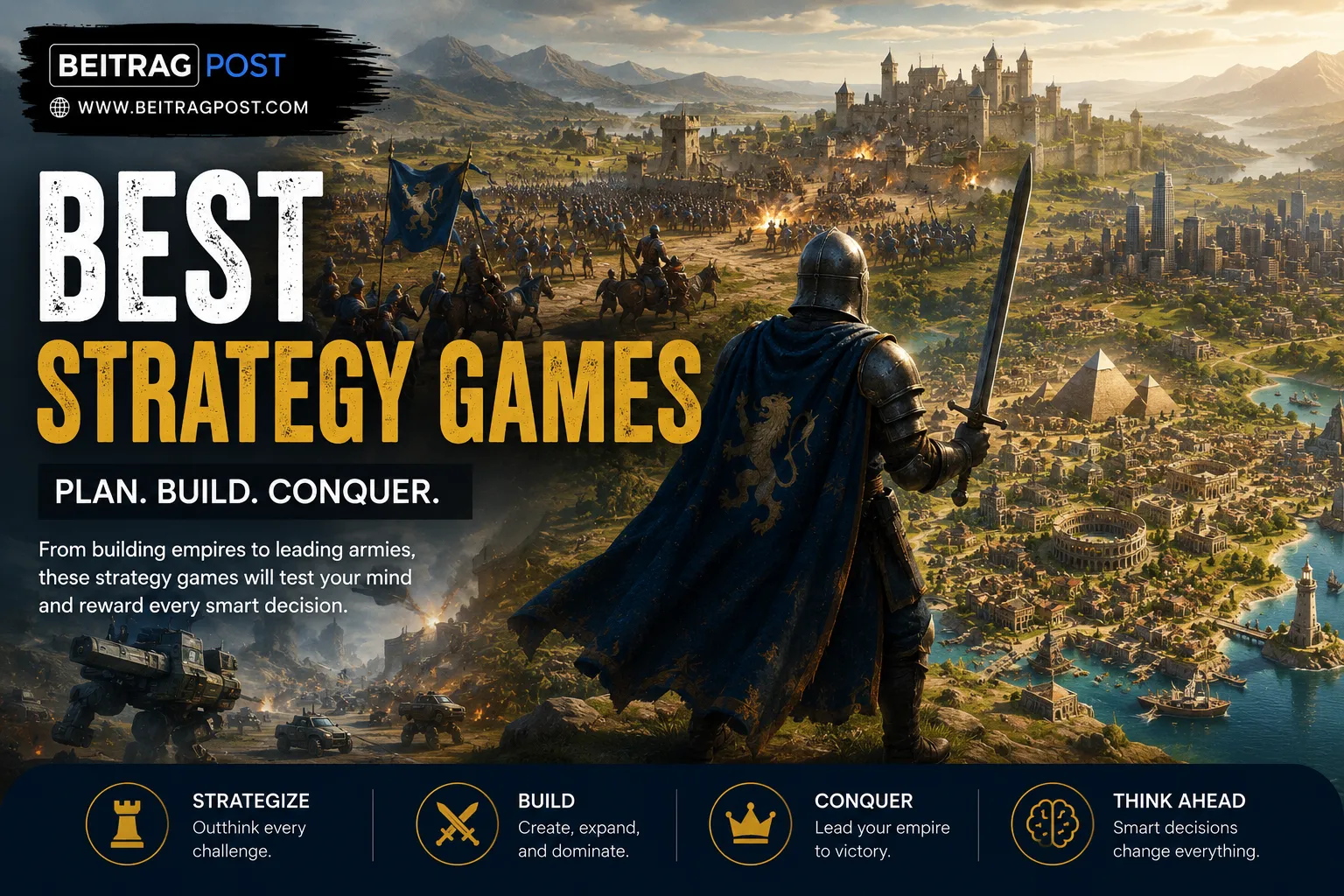
Best Strategy Games That Reward Smart Thinking Instead of Fast Reflexes
Strategy games have always appealed to players who enjoy solving problems instead of simply reacting to them. The best strategy games reward planning, patience, and smart decision-making, whether you’re building a civilization, commanding an army, managing limited resources, or trying to survive impossible situations.
Unlike many action games, success rarely depends on quick reflexes. A single well-planned decision can be more valuable than dozens of fast clicks, and one mistake can change the outcome of an entire campaign. That’s what makes the genre so satisfying. Every victory feels earned because it comes from understanding systems, adapting to new challenges, and thinking several steps ahead.
The strategy genre has also become more diverse than ever. Some games focus on historical warfare, while others explore politics, city management, survival, or science fiction. Each title on this list offers a different way to test your decision-making skills, making it easier to find one that matches your preferred playstyle.
To help you choose, we’ve selected games that continue to stand out for their strategic depth, replay value, and overall player experience. Whether you’re completely new to strategy games or have spent years mastering complex campaigns, these recommendations deserve a place on your list.
What Makes a Great Strategy Game?
Not every game with resource management or combat qualifies as a truly great strategy game. The best ones constantly present meaningful decisions instead of obvious choices.
A strong strategy game should reward careful planning while still allowing room for creativity. You should be able to solve the same problem in different ways, experiment with new ideas, and feel that your decisions not random luc determine the outcome.
The strongest titles also remain enjoyable long after the first campaign. Different maps, factions, technologies, victory conditions, or procedural systems should encourage you to approach each playthrough differently.
Throughout this guide, you’ll find games that excel in one or more of these areas, from massive empire builders to tightly designed tactical experiences.
1. Civilization VII
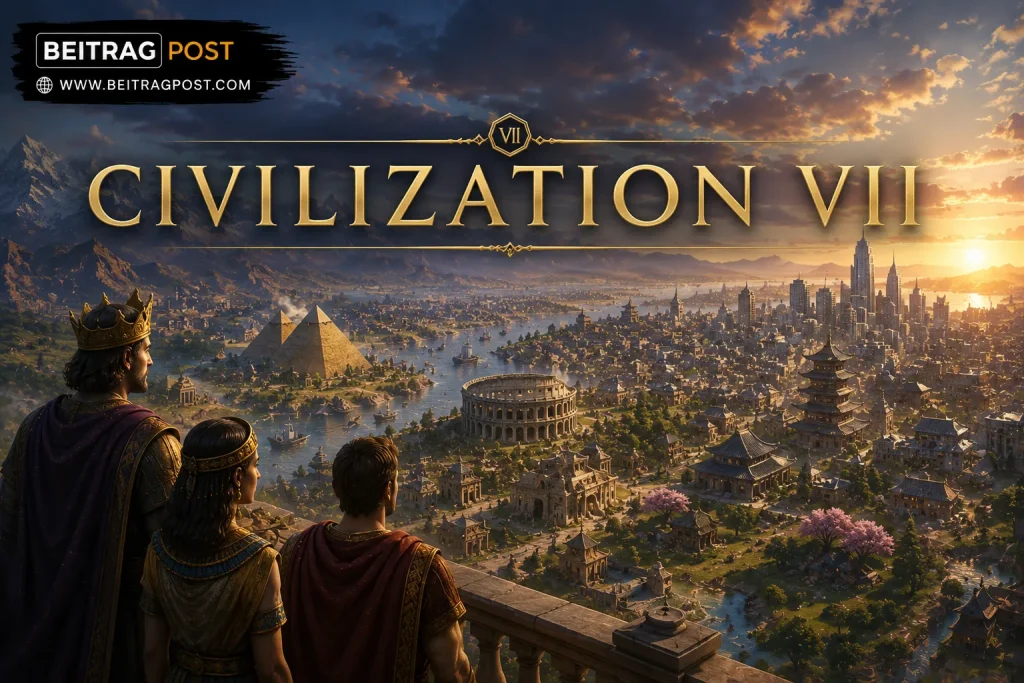
Best for Players Who Love Building Empires Across Generations
Some strategy games ask you to win the next battle.
Civilization VII asks what kind of civilization you want to leave behind hundreds of years from now.
Your journey begins with a single settlement surrounded by unexplored land. Resources are limited, nearby civilizations remain unknown, and every early decision shapes the future of your empire. Expanding too quickly may leave your economy vulnerable, while playing too cautiously could allow rivals to claim valuable territory first.
That balance between short-term survival and long-term planning has always defined the Civilization series, and the newest installment expands those ideas even further.
Instead of chasing quick victories, you’re constantly making decisions that won’t fully reveal their impact until much later. A scientific investment made during the ancient era may determine your technological dominance centuries later. Likewise, a poor diplomatic decision can create conflicts that last for the rest of the campaign.
Very few strategy games make time feel as meaningful as Civilization VII.
Every Turn Shapes the Future
Civilization VII follows a simple rhythm.
Explore.
Expand.
Develop.
Adapt.
At first, those goals appear straightforward. After a few hours, however, you begin realizing how deeply connected every system is.
A growing population increases production but also demands more resources. Military expansion protects your borders but slows scientific progress. Investing heavily in culture unlocks influential policies, yet neglecting your defenses can invite aggressive neighbors.
There is never enough time or resources to excel at everything.
That’s where the strategy emerges.
Instead of following a perfect formula, you’re constantly deciding which sacrifices make the most sense for your civilization.
Victory Isn’t Defined by War Alone
One of Civilization VII’s greatest strengths is the variety of paths available.
Military conquest is only one option.
You might become the world’s scientific leader by unlocking advanced technologies before anyone else. You could dominate global culture through influential wonders and tourism. Skilled diplomats can strengthen alliances, avoid unnecessary wars, and gain influence without relying on overwhelming military power.
Because each victory condition encourages a different style of play, replayability remains exceptionally high.
One campaign may revolve around peaceful expansion and technological innovation.
The next could become an intense struggle for survival against aggressive neighbors determined to control the continent.
Every Civilization Feels Different
Choosing a civilization isn’t just selecting a different leader portrait.
Each one encourages a unique strategic approach.
Some civilizations reward exploration and trade, while others excel in production, military strength, scientific advancement, or cultural development.
These bonuses are significant enough to influence your long-term planning without forcing you into a single playstyle.
Experienced players often enjoy revisiting the game simply to discover how another civilization changes the flow of an entire campaign.
Is Civilization VII Beginner-Friendly?
Despite its depth, Civilization VII remains one of the easiest grand strategy games for newcomers to learn.
The turn-based format removes the pressure found in real-time strategy games, allowing you to think through each decision before ending your turn.
The tutorial introduces major systems gradually, while lower difficulty levels provide enough room to experiment without punishing every mistake.
As your understanding grows, higher difficulty settings reveal just how much strategic depth the game offers.
Civilization VII Is Perfect For You If…
- You enjoy long-term planning.
- Building an empire sounds more appealing than managing individual battles.
- You prefer thoughtful, turn-based gameplay.
- Historical settings interest you.
- Replayability is important.
You Should Skip Civilization VII If…
- You prefer fast-paced real-time action.
- Short gaming sessions are a priority.
- Constant combat matters more than economic or diplomatic strategy.
Quick Specs
| Feature | Details |
|---|---|
| Genre | Turn-Based 4X Strategy |
| Platforms | PC, PlayStation, Xbox, Nintendo Switch |
| Difficulty | Medium |
| Average Campaign | 20–50+ Hours |
| Replayability | Excellent |
Editor’s Verdict
Civilization VII continues the series’ tradition of rewarding patience, intelligent planning, and meaningful long-term decisions. Every campaign tells a different story, making it one of the best strategy games for players who enjoy creating history rather than simply reacting to it.
2. Age of Empires IV
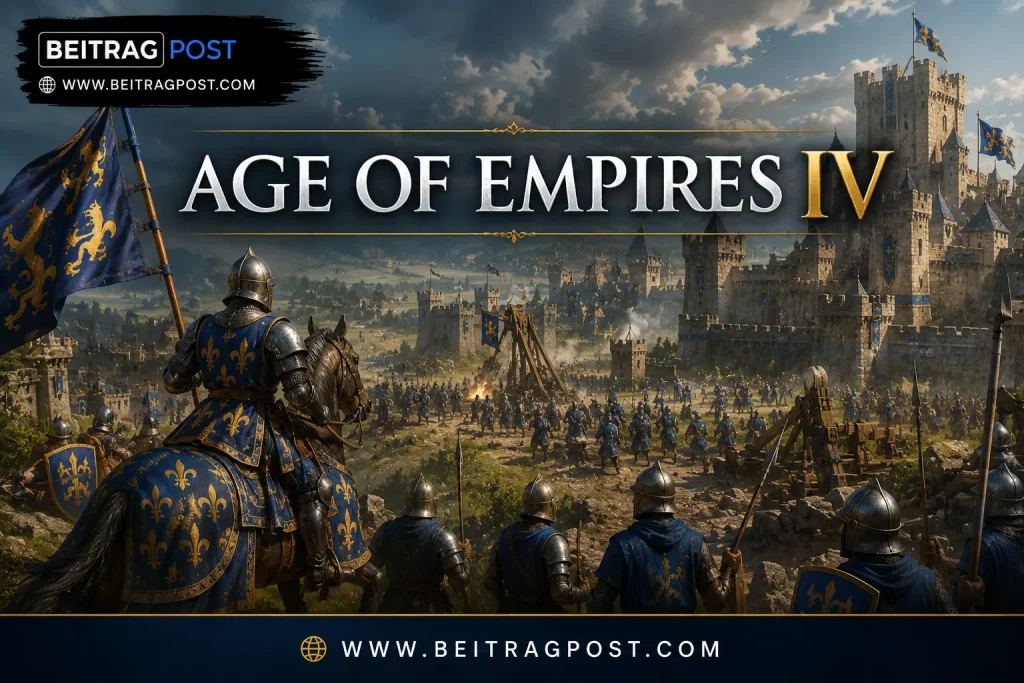
Best for Players Who Enjoy Fast-Paced Real-Time Strategy
If Civilization rewards patience, Age of Empires IV rewards momentum.
Every second matters.
While you’re deciding where to build your next structure, your opponent is already collecting resources, scouting the map, and preparing an attack. The challenge isn’t simply building an army it’s managing dozens of priorities at the same time without losing control of your economy.
That constant balancing act is what has kept the Age of Empires series relevant for decades.
Age of Empires IV modernizes the classic formula without losing the competitive depth that made earlier entries legendary. Whether you’re defending your first town center or launching a decisive late-game assault, every match demands quick thinking backed by solid planning.
Unlike games where victory comes from producing the largest army, Age of Empires IV rewards players who understand timing. Knowing when to advance an age, expand your economy, or pressure an opponent often matters more than simply producing additional units.
Each civilization introduces its own strengths, technologies, and military options, ensuring that no two matches feel exactly alike. Learning how different civilizations develop and adapting your strategy accordingly is part of what makes the game so rewarding over the long term.
If you enjoy competitive strategy games and want to improve your decision-making under pressure, Age of Empires IV remains one of the strongest choices available.
Why Economy Wins More Games Than Your Army
One of the biggest mistakes new players make is believing military strength is everything.
In reality, your army is only as strong as the economy supporting it.
Every villager gathering food, wood, gold, or stone is investing in your future. Stop producing villagers for even a short period, and you’ll eventually notice the difference. Your opponent reaches the next Age first, fields stronger units, and begins controlling more of the map.
That’s why experienced players often repeat a simple rule:
Protect your economy before chasing unnecessary fights.
A healthy economy replaces lost soldiers, funds new technologies, and allows you to recover from setbacks much faster than an opponent who focused only on military production.
Every Civilization Encourages a Different Strategy
Age of Empires IV avoids the trap of making every faction feel identical.
Each civilization introduces mechanics that genuinely change how you approach a match.
Some thrive on aggressive early-game pressure, rewarding players who attack before opponents can fully develop. Others become stronger as matches continue, unlocking powerful economic bonuses and advanced military technologies that dominate the late game.
This variety keeps multiplayer fresh while encouraging players to experiment instead of relying on one strategy forever.
Learning a new civilization isn’t just memorizing unique units.
It’s learning an entirely different rhythm.
Map Control Matters More Than Most Players Realize
Winning isn’t only about destroying enemy buildings.
It’s about controlling opportunities.
The player who secures extra gold mines, protects trade routes, and claims valuable relics usually gains an advantage long before the final battle begins.
Small victories accumulate.
A safer resource location means more income.
More income supports larger armies.
Larger armies create more map control.
Eventually, that advantage becomes difficult to overcome.
Experienced players rarely wait until they’re losing to think about territory.
They’re competing for it from the opening minutes.
Small Improvements Make a Huge Difference
Unlike many competitive games where success depends on mastering complicated mechanics, Age of Empires IV rewards consistent improvement.
Learning to keep your Town Center producing villagers.
Scouting your opponent more frequently.
Expanding at the right moment.
Researching upgrades before large battles.
Each improvement seems minor on its own.
Together, they completely change your results.
That’s one reason players continue enjoying the game after hundreds of matches.
There’s always another skill to develop.
Is Age of Empires IV Beginner-Friendly?
The basics are easy to understand.
Gather resources.
Build an economy.
Train an army.
Defeat your opponent.
Mastering those systems, however, takes time.
Fortunately, the campaign serves as an excellent introduction, while AI matches allow new players to practice before jumping into multiplayer.
If you’re willing to learn gradually, Age of Empires IV offers one of the most rewarding competitive experiences in the strategy genre.
Age of Empires IV Is Perfect For You If…
- You enjoy real-time decision-making.
- Competitive multiplayer motivates you.
- Economy management is just as satisfying as combat.
- You like historical settings.
- Every match feeling different keeps you engaged.
You Should Skip Age of Empires IV If…
- You prefer turn-based gameplay.
- Fast multitasking feels stressful.
- You want a heavily story-driven experience.
- Long-term empire building appeals to you more than individual matches.
Quick Specs
| Feature | Details |
|---|---|
| Genre | Real-Time Strategy (RTS) |
| Platforms | PC, Xbox Series X|S |
| Difficulty | Medium |
| Average Match Length | 20–60 Minutes |
| Replayability | Outstanding |
Editor’s Verdict
Age of Empires IV proves that classic real-time strategy still has plenty to offer. It rewards efficient decision-making, intelligent resource management, and precise timing without becoming inaccessible to newcomers. If competitive RTS gameplay is what you’re looking for, few modern games do it better.
If you enjoy exploring outstanding games across multiple genres not just strategy our guide to Best Games to Play in 2026 highlights even more titles that deserve a place in your library.
3. XCOM 2
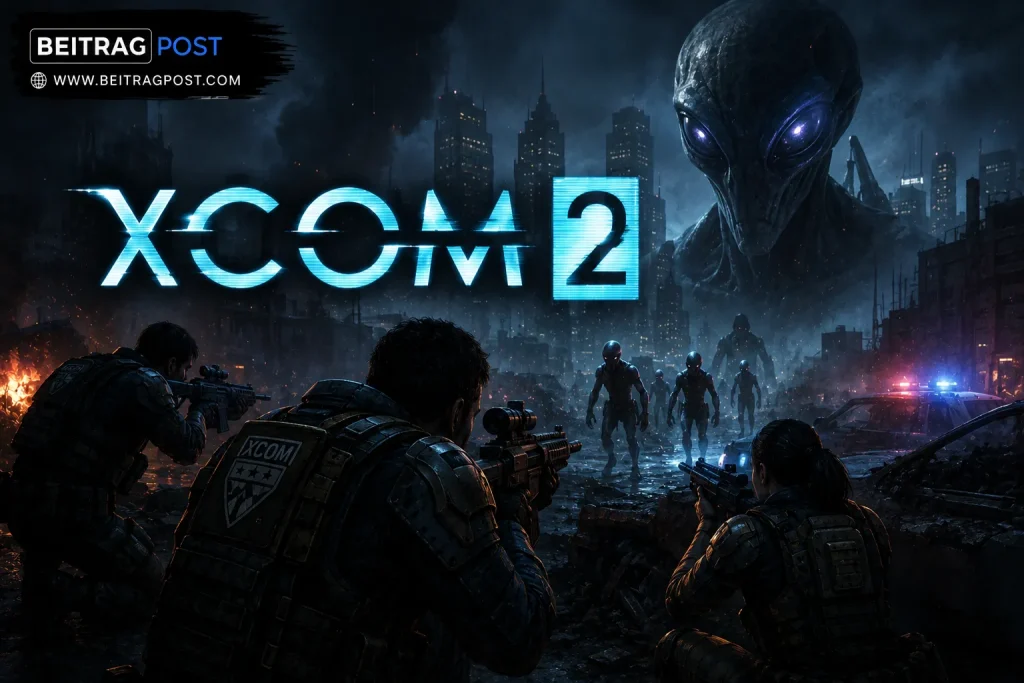
Best for Players Who Love Tactical Combat Where Every Decision Has Consequences
Most strategy games let you replace lost soldiers with little more than time and resources.
XCOM 2 makes every casualty feel personal.
You don’t simply command anonymous units.
You build a squad.
Your sniper has survived twelve missions without missing a crucial shot.
And Your ranger rescued teammates during impossible situations.
Your specialist has become the backbone of every successful operation.
Then one mistake changes everything.
A missed attack.
One careless movement.
An unexpected enemy ambush.
Suddenly, a soldier you’ve spent hours developing is gone forever.
That permanent sense of risk transforms every mission into something far more meaningful than a simple tactical battle.
Every Mission Feels Like a High-Stakes Puzzle
Before firing the first shot, you’re already making important decisions.
Which soldiers should you bring?
Who needs better equipment?
Should you move slowly and stay hidden, or attack before reinforcements arrive?
Every answer creates new opportunities—and new risks.
The battlefield constantly asks difficult questions.
Do you rescue a civilian or eliminate a dangerous enemy first?
Do you protect an injured teammate or complete the primary objective before time runs out?
There is rarely a perfect solution.
Success depends on choosing the option with the greatest long-term benefit.
Positioning Is More Important Than Firepower
New players often focus on stronger weapons.
Experienced commanders focus on better positioning.
High ground improves accuracy.
Cover reduces incoming damage.
Flanking removes defensive advantages.
A single move can completely change the outcome of an encounter.
Because the game clearly rewards thoughtful positioning, victories feel earned rather than accidental.
You’re not overwhelming enemies through larger numbers.
You’re defeating them through better decisions.
Every Soldier Becomes Part of Your Story
One of XCOM 2’s greatest achievements is making you care about individual squad members.
As soldiers gain experience, they unlock specialized abilities that shape future missions.
Some become exceptional snipers capable of eliminating threats from incredible distances.
Others excel in close-range combat or battlefield support.
Eventually, your squad develops its own history.
You remember impossible rescues.
Critical shots that saved entire missions.
Painful losses that forced you to rethink your strategy.
Those moments create emotional investment few strategy games can match.
The Pressure Never Truly Disappears
Even successful campaigns rarely feel comfortable.
Resources remain limited.
New enemy types appear regularly.
Global resistance weakens if you ignore important objectives.
Every decision on the world map influences future missions.
Expanding your resistance network improves your long-term position.
Researching advanced technology unlocks stronger equipment.
Managing limited supplies determines how quickly your soldiers recover after difficult operations.
The tactical layer and strategic layer constantly support one another, creating an experience that rewards planning far beyond individual battles.
Success Depends on Managing the War, Not Just Winning Battles
One reason XCOM 2 continues to stand out years after release is that combat is only half the experience.
Between missions, you’re running an underground resistance movement from the Avenger—your mobile headquarters.
Every day presents new priorities.
Should you spend precious supplies on upgraded armor?
Research alien technology?
Construct another facility?
Train rookies to replace fallen veterans?
Contact a new region before the Avatar Project advances?
None of those choices are optional.
But you rarely have enough time or resources to do everything at once.
That’s where the strategy truly begins.
Excellent commanders aren’t simply good during combat.
They’re equally effective when planning the next month of the campaign.
Adapting Is More Important Than Following One Strategy
A common mistake among new players is trying to repeat the same successful tactic every mission.
XCOM 2 rarely allows that.
Enemy types evolve.
Mission objectives change.
Maps introduce new challenges.
Some operations reward stealth and patience.
Others demand aggressive action before reinforcements arrive.
Trying to solve every problem the same way usually leads to unnecessary losses.
The strongest players constantly adapt.
They build flexible squads, prepare backup plans, and learn to recover when missions don’t go exactly as expected.
That ability to adjust under pressure is one of the biggest reasons XCOM 2 remains so replayable.
Is XCOM 2 Beginner-Friendly?
The mechanics themselves are easy to understand.
Movement is grid-based.
Combat is turn-based.
Objectives are clearly explained.
The real challenge comes from managing consequences.
Permanent soldier deaths, limited resources, and increasing enemy pressure mean that every decision carries weight.
New players shouldn’t expect a flawless first campaign.
In fact, losing experienced soldiers or struggling through difficult missions is part of the learning process.
Once you begin thinking several missions ahead instead of focusing only on the current battle, the game becomes dramatically more rewarding.
XCOM 2 Is Perfect For You If…
- You enjoy turn-based tactical combat.
- Permanent consequences make games more exciting.
- You like carefully planning every move.
- Squad customization appeals to you.
- High replayability matters more than cinematic storytelling.
You Should Skip XCOM 2 If…
- Losing progress feels frustrating.
- You prefer fast-paced action over tactical planning.
- Random hit percentages easily annoy you.
- You’re looking for a relaxing strategy experience.
Quick Specs
| Feature | Details |
|---|---|
| Genre | Turn-Based Tactical Strategy |
| Platforms | PC, PlayStation, Xbox, Nintendo Switch |
| Difficulty | High |
| Average Campaign | 30–60 Hours |
| Replayability | Exceptional |
Editor’s Verdict
XCOM 2 remains one of the finest tactical strategy games ever created because it makes every choice meaningful. Every successful mission feels earned, every mistake teaches a lesson, and every surviving soldier becomes part of your campaign’s unique story. If thoughtful tactical gameplay is your priority, few games deliver a stronger experience.
4. Crusader Kings III
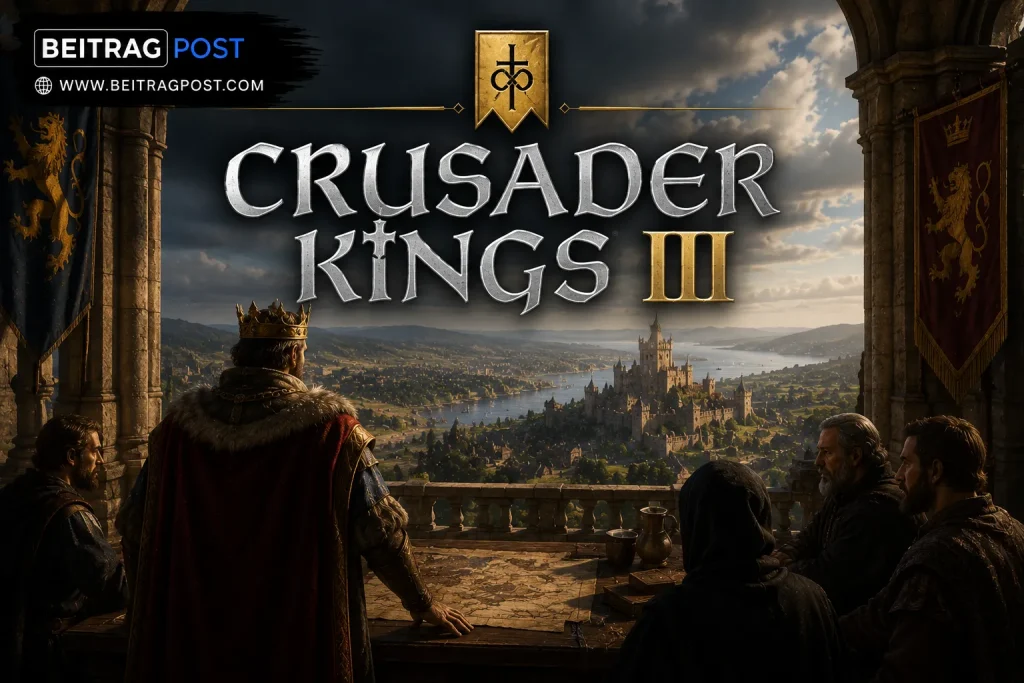
Best for Players Who Think Politics Can Be More Powerful Than War
Imagine becoming king.
Most strategy games would immediately ask you to build an army.
Crusader Kings III asks a completely different question.
Who will inherit your throne?
Can your children be trusted?
Which neighboring ruler secretly wants your kingdom?
Will your allies support you when war finally begins?
Sometimes the smartest move isn’t raising an army.
It’s arranging the right marriage.
That single idea transforms Crusader Kings III into something unlike almost every other strategy game.
You’re not simply expanding borders.
You’re building a dynasty.
Every generation creates new opportunities—and new problems.
The decisions you make today can influence your family’s future for centuries.
Power Isn’t Measured by Soldiers Alone
Military strength certainly matters.
But it rarely tells the whole story.
A powerful alliance formed through marriage can prevent a costly war before it begins.
A loyal council keeps your kingdom stable during difficult times.
Meanwhile, one ambitious relative can undo decades of careful planning.
Success depends on balancing diplomacy, succession, religion, economics, and military power without allowing any single area to collapse.
That’s what makes Crusader Kings III feel so different.
Every campaign becomes a political story instead of a simple military conquest.
Every Character Has Their Own Personality
Unlike many grand strategy games where leaders function as simple bonuses, Crusader Kings III treats every ruler as an individual.
Some are compassionate.
Others are ambitious.
Some inspire loyalty.
Others create fear.
Their personalities influence how they negotiate, govern, and respond to unexpected events.
Your own character’s traits matter just as much.
A diplomatic ruler naturally solves problems differently from an aggressive conqueror or a master schemer.
Because personalities shape gameplay so heavily, no two campaigns unfold in exactly the same way.
Your Greatest Threat Might Be Inside Your Own Kingdom
Many newcomers spend their first campaigns watching neighboring kingdoms.
Experienced players spend just as much time watching their own court.
Disloyal vassals can organize factions.
Family members may compete for succession.
Powerful nobles demand additional influence.
Ignoring internal politics often proves more dangerous than invading armies.
That’s one of the game’s greatest strengths.
It constantly reminds you that maintaining power is often harder than gaining it.
Every Generation Tells a Different Story
One campaign may begin with a minor count struggling to survive.
Several generations later, your descendants could rule one of the most influential kingdoms in Europe.
Or…
Your carefully built dynasty may collapse because one unsuitable heir inherited everything.
Those unexpected stories are what players remember most.
Not individual battles.
Not specific victories.
But the remarkable chain of events created by their own decisions.
Few strategy games generate memorable narratives as naturally as Crusader Kings III.
Strategy Looks Different Here
If you’re expecting constant warfare, Crusader Kings III may surprise you.
Many of your biggest victories happen without fighting at all.
A successful diplomatic agreement.
A carefully planned inheritance.
An alliance secured through marriage.
A rebellion peacefully avoided.
The game rewards patience, observation, and long-term thinking far more than reckless expansion.
That’s exactly why it has become one of the best strategy games for players who enjoy political strategy as much as military conquest.
Every Decision Has Consequences That Can Last for Generations
One poor decision in Crusader Kings III rarely affects only the current ruler.
It often reshapes your family’s future.
Perhaps you divide your lands equally among several children instead of securing a single heir.
When your ruler dies, the kingdom fractures.
Brothers become rivals.
Former allies become enemies.
Years of careful expansion disappear almost overnight.
The opposite is also true.
A well-planned marriage today may eventually unite two powerful kingdoms without a single battle.
That’s why experienced players always think beyond the current ruler.
They’re planning for the next generation before the present one has even ended.
Learning Never Really Stops
Crusader Kings III is one of those rare strategy games where your understanding continues growing long after you’ve mastered the basics.
Your first campaign teaches survival.
Your second teaches diplomacy.
Later campaigns reveal how religion, succession laws, culture, espionage, and economics quietly influence one another.
Eventually, you stop reacting to events.
You begin creating them.
That’s when the game becomes truly remarkable.
Is Crusader Kings III Beginner-Friendly?
For a grand strategy game, surprisingly yes.
The interface explains major mechanics well, and the tutorial provides an excellent introduction to managing a medieval realm.
However, the game’s greatest strength is also its biggest challenge.
Its depth.
New players should expect to make mistakes.
Titles will be lost.
Vassals will rebel.
Heirs will disappoint you.
Those moments aren’t failures.
They’re part of the story.
Every campaign teaches something valuable about leadership, planning, and long-term strategy.
Crusader Kings III Is Perfect For You If…
- You enjoy politics as much as warfare.
- Creating your own stories is more exciting than following scripted campaigns.
- Long-term planning appeals to you.
- Diplomacy and intrigue sound more interesting than constant combat.
- You enjoy sandbox experiences with endless possibilities.
You Should Skip Crusader Kings III If…
- You want nonstop action.
- Complex management systems feel overwhelming.
- Short gaming sessions are a priority.
- You prefer clear objectives over open-ended storytelling.
Quick Specs
| Feature | Details |
|---|---|
| Genre | Grand Strategy |
| Platforms | PC, PlayStation 5, Xbox Series X|S |
| Difficulty | Medium to High |
| Average Campaign | 40–100+ Hours |
| Replayability | Outstanding |
Editor’s Verdict
Crusader Kings III isn’t simply about ruling a kingdom.
It’s about managing a family, navigating politics, and creating stories that unfold across generations.
If you enjoy strategy games where diplomacy, relationships, and long-term planning matter just as much as military victories, it’s one of the finest experiences available today.
5. Total War: Warhammer III
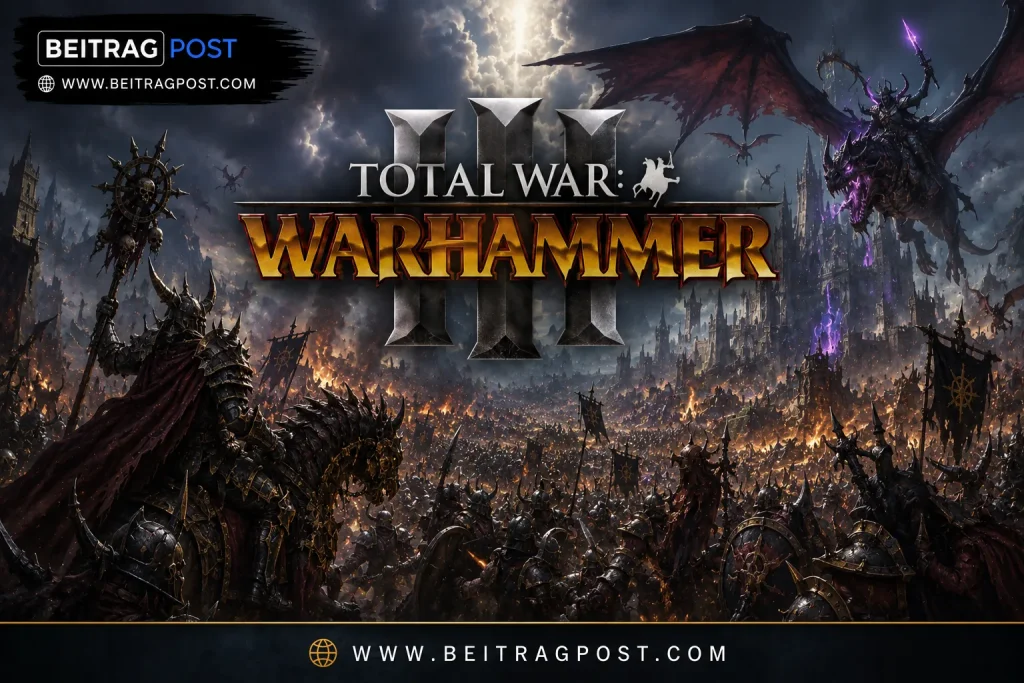
Best for Players Who Want Massive Battles Without Sacrificing Strategic Depth
Thousands of soldiers stand ready.
Archers wait behind defensive lines.
Monstrous creatures tower above the battlefield.
Flying units circle overhead, searching for the perfect opportunity to attack.
The battle hasn’t even started.
Yet you’re already making decisions that will determine whether your army survives.
Few strategy games create spectacles on the same scale as Total War: Warhammer III.
But its greatest strength isn’t the size of its battles.
It’s everything that happens before the fighting begins.
Victory starts long before the first sword is drawn.
Building an Empire Is Just as Important as Winning Battles
It’s easy to focus on the spectacular real-time combat.
After all, commanding enormous fantasy armies is one of the game’s biggest attractions.
However, experienced players know that wars are often won on the campaign map.
Managing settlements.
Developing provinces.
Balancing public order.
Expanding your economy.
Negotiating with neighboring factions.
Choosing which technologies to research.
Every strategic decision strengthens—or weakens—your military long before armies meet on the battlefield.
Ignoring those systems usually leads to expensive victories that your empire simply can’t sustain.
Every Faction Feels Like a Completely Different Game
One of Warhammer III’s biggest achievements is faction diversity.
Changing factions doesn’t simply unlock different units.
It changes how you think.
Some races thrive through aggressive expansion.
Others prefer careful diplomacy.
Certain factions rely on overwhelming monsters.
Others dominate through disciplined infantry, devastating artillery, or powerful spellcasters.
Because every campaign introduces new mechanics and strategic priorities, replayability remains incredibly high.
Learning a new faction often feels like learning an entirely new strategy game.
Bigger Armies Don’t Always Win
Watching two massive forces collide is impressive.
Winning those battles requires much more than numbers.
Terrain influences movement.
Unit positioning determines effectiveness.
Morale decides whether soldiers continue fighting or flee.
Flanking attacks can destroy even stronger enemies.
Magic abilities completely change battlefield dynamics.
The strongest commanders aren’t the ones with the largest armies.
They’re the ones who understand how every unit supports the others.
That’s where Total War has always excelled.
It transforms large-scale battles into tactical puzzles rather than chaotic spectacles.
Every Campaign Tells a Different Story
Some campaigns begin with a secure empire ready to expand.
Others start with enemies on every border and limited resources.
One campaign may revolve around diplomacy and careful development.
The next becomes an all out struggle for survival.
Because the strategic map constantly evolves based on your actions and the actions of rival factions, no two campaigns ever unfold exactly the same way.
That unpredictability is one reason players continue returning to the Total War series year after year.
If you’re interested in exploring outstanding games beyond the strategy genre, our guide to Best Games to Play in 2026 includes several must-play titles that deserve your attention as well.
Strategy Begins Long Before the Battle Starts
New players often spend most of their attention on combat.
Veteran players spend just as much time preparing for battles they haven’t fought yet.
Before an army even leaves your territory, you’re already making important decisions.
Should you recruit additional infantry or invest in stronger elite units?
Is it worth upgrading a settlement first?
Can your economy support another full army without slowing future expansion?
Should you defend your borders or risk everything by launching an invasion?
Those questions rarely have obvious answers.
Sometimes attacking immediately secures valuable territory.
Other times, waiting a few turns allows you to unlock stronger units that completely change the outcome of a campaign.
The game constantly rewards players who think ahead instead of reacting to immediate problems.
Adaptability Wins Long Campaigns
One of Warhammer III’s greatest strengths is that it refuses to let players rely on a single strategy forever.
A successful army against heavily armored opponents may struggle against highly mobile factions.
An economy built around rapid expansion might become difficult to defend.
Political alliances can unexpectedly collapse.
Powerful enemies can emerge from completely different parts of the map.
Every campaign asks you to adapt.
The players who adjust quickly continue expanding.
Those who stubbornly repeat the same approach often watch their empire slowly fall apart.
That’s exactly what keeps long campaigns engaging.
The game is constantly evolving, forcing you to evolve alongside it.
Is Total War: Warhammer III Beginner-Friendly?
Despite its enormous scale, Warhammer III does a respectable job introducing new players to its systems.
The tutorial explains the core mechanics clearly, and early campaigns provide enough room to learn without overwhelming you.
That said, mastering the game takes time.
Understanding economy management, diplomacy, battlefield tactics, faction mechanics, and province development doesn’t happen overnight.
Fortunately, that’s part of the appeal.
Each campaign teaches something new, making every future playthrough feel more rewarding.
Total War: Warhammer III Is Perfect For You If…
- You enjoy commanding massive armies.
- Fantasy settings are more exciting than historical ones.
- You like combining empire management with tactical battles.
- Replayability is one of your top priorities.
- You enjoy experimenting with different factions and playstyles.
You Should Skip Total War: Warhammer III If…
- You prefer shorter strategy games.
- Micromanaging large armies doesn’t appeal to you.
- Fantasy worlds aren’t your style.
- You’re looking for a purely turn-based experience.
Quick Specs
| Feature | Details |
|---|---|
| Genre | Grand Strategy / Real-Time Tactics |
| Platforms | PC |
| Difficulty | Medium to High |
| Average Campaign | 30–80+ Hours |
| Replayability | Exceptional |
Editor’s Verdict
Total War: Warhammer III successfully combines large-scale empire management with spectacular real-time battles without sacrificing strategic depth. Every faction offers a genuinely different experience, and every campaign creates new challenges. If commanding enormous armies while managing a growing empire sounds exciting, this is easily one of the best strategy games you can play.
6. Frostpunk
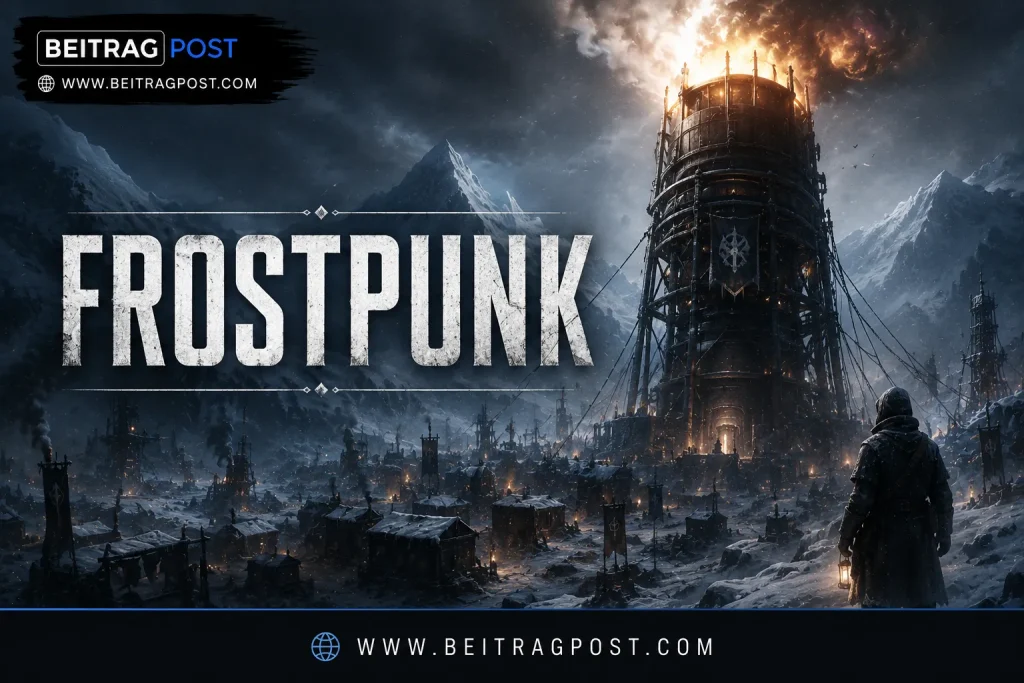
Best for Players Who Believe Leadership Means Making Impossible Decisions
Most city-building games reward growth.
Build more houses.
Produce more resources.
Expand your borders.
Eventually, your city becomes larger and more prosperous.
Frostpunk isn’t interested in perfect cities.
It’s interested in impossible choices.
The temperature has fallen far below freezing.
Coal reserves are running low.
People are hungry.
Medical facilities are already full.
Children need shelter.
The generator keeping everyone alive is beginning to fail.
You can only solve one problem first.
What do you choose?
That’s the question Frostpunk asks over and over again.
And there are no comfortable answers.
Survival Is Only Half the Challenge
Keeping people alive is obviously your first objective.
But survival alone isn’t enough.
A desperate population quickly becomes an unhappy one.
Hope begins to disappear.
Discontent rises.
Soon, your biggest threat isn’t the freezing weather.
It’s your own citizens.
Should children work in dangerous conditions if it helps everyone survive?
Do you introduce stricter laws to maintain order?
Is sacrificing individual freedom acceptable when the entire city is at risk?
These aren’t simply gameplay mechanics.
They’re moral decisions.
Every law changes the way your society develops, and every decision forces you to consider what kind of leader you’re becoming.
Very few strategy games ask questions that continue lingering after you’ve stopped playing.
Frostpunk does exactly that.
Resources Always Feel Limited
In many management games, resources eventually become abundant.
Frostpunk deliberately avoids that feeling.
Coal disappears faster than expected.
Food production never feels completely secure.
Medical supplies remain under pressure.
Every new building increases demand somewhere else.
You constantly feel as though you’re solving today’s crisis while tomorrow’s is already approaching.
That relentless pressure creates an atmosphere unlike almost any other city builder.
Success never feels guaranteed.
Even when your city appears stable, you’re already preparing for the next emergency.
Planning Ahead Matters More Than Reacting
The players who succeed in Frostpunk rarely solve problems at the last minute.
They prepare before disaster arrives.
Extra coal is collected before temperatures drop.
Food reserves are increased before shortages begin.
Medical facilities expand before illness spreads through the population.
That mindset separates successful leaders from struggling ones.
Instead of asking,
“How do I fix this problem?”
Experienced players ask,
“What problem is coming next?”
That simple shift completely changes how you approach the game.
Every Citizen Feels Important
Unlike traditional city builders where populations become statistics, Frostpunk constantly reminds you that every number represents real people.
When workers die, production suffers.
And When hope declines, the entire city’s stability is affected.
When families lose loved ones, difficult decisions become even more emotionally charged.
The result is a strategy game where efficiency alone isn’t enough.
Leadership matters just as much.
Every Law Shapes the Future of Your City
As your settlement grows, you’ll unlock new laws designed to help your people survive.
At first, the choices seem practical.
Longer working hours.
Emergency shifts.
Improved healthcare.
Additional food distribution.
Eventually, however, those decisions become far more difficult.
Do you allow child labor to keep essential industries running?
Should public order be maintained through strict discipline or by giving people hope?
Is efficiency worth sacrificing personal freedom?
The game never tells you which option is morally correct.
Instead, it shows you the consequences.
Some decisions increase productivity but damage public trust.
Others improve morale while slowing your city’s growth.
Whatever path you choose, you’ll eventually realize there’s rarely a perfect answer.
You’re not trying to build an ideal society.
You’re trying to prevent its collapse.
Every Storm Tests Your Preparation
The freezing temperatures aren’t simply background scenery.
They’re the central mechanic driving every decision.
When the weather forecast predicts another dramatic temperature drop, your priorities immediately change.
Coal production becomes critical.
Homes require better insulation.
Medical facilities prepare for increased illness.
Food reserves suddenly feel dangerously small.
The players who survive aren’t necessarily the ones with the biggest cities.
They’re the ones who planned for problems before those problems arrived.
Frostpunk constantly rewards foresight.
Waiting until disaster begins is usually too late.
Failure Becomes Part of the Learning Process
Almost every new player experiences the same moment.
The city seems stable.
Resources look healthy.
Citizens appear satisfied.
Then one unexpected crisis triggers another.
Coal runs out.
Homes lose heat.
People become sick.
Hospitals reach capacity.
Hope disappears.
Everything begins falling apart at once.
Although those defeats can feel brutal, they rarely feel unfair.
After each failed campaign, you understand exactly what should have been done differently.
Maybe you expanded too quickly.
Perhaps food production wasn’t strong enough.
Or maybe you underestimated how much coal the generator would consume during the next storm.
Every failure teaches a lesson that makes future cities stronger.
That’s one of the biggest reasons Frostpunk remains so rewarding even after multiple playthroughs.
Is Frostpunk Beginner-Friendly?
Frostpunk explains its basic mechanics well, but don’t mistake that accessibility for simplicity.
The game becomes increasingly demanding as your city grows.
Balancing hope, discontent, food, healthcare, housing, workforce management, and heating requires constant attention.
Fortunately, the learning curve feels fair.
The game encourages experimentation, and every campaign helps you become a more thoughtful leader.
If you enjoy learning through experience, you’ll likely appreciate how naturally your skills improve over time.
Frostpunk Is Perfect For You If…
- You enjoy survival-focused management games.
- Difficult moral decisions make strategy more interesting.
- Resource management is one of your favorite mechanics.
- Atmosphere and storytelling matter as much as gameplay.
- You like overcoming constant pressure rather than building peacefully.
You Should Skip Frostpunk If…
- You prefer relaxing city builders.
- Resource shortages become frustrating instead of motivating.
- You’re looking for competitive multiplayer.
- You dislike making morally difficult choices.
Quick Specs
| Feature | Details |
|---|---|
| Genre | Survival City Builder |
| Platforms | PC, PlayStation, Xbox |
| Difficulty | High |
| Average Campaign | 15–30 Hours |
| Replayability | High |
Editor’s Verdict
Frostpunk isn’t simply about constructing buildings or balancing resources.
It’s about leadership under impossible circumstances.
Every difficult decision feels meaningful because it affects real people, not just statistics on a screen. Few strategy games combine city management, survival, and emotional storytelling as effectively as Frostpunk, making it one of the best strategy games for players who enjoy meaningful choices.
7. Against the Storm
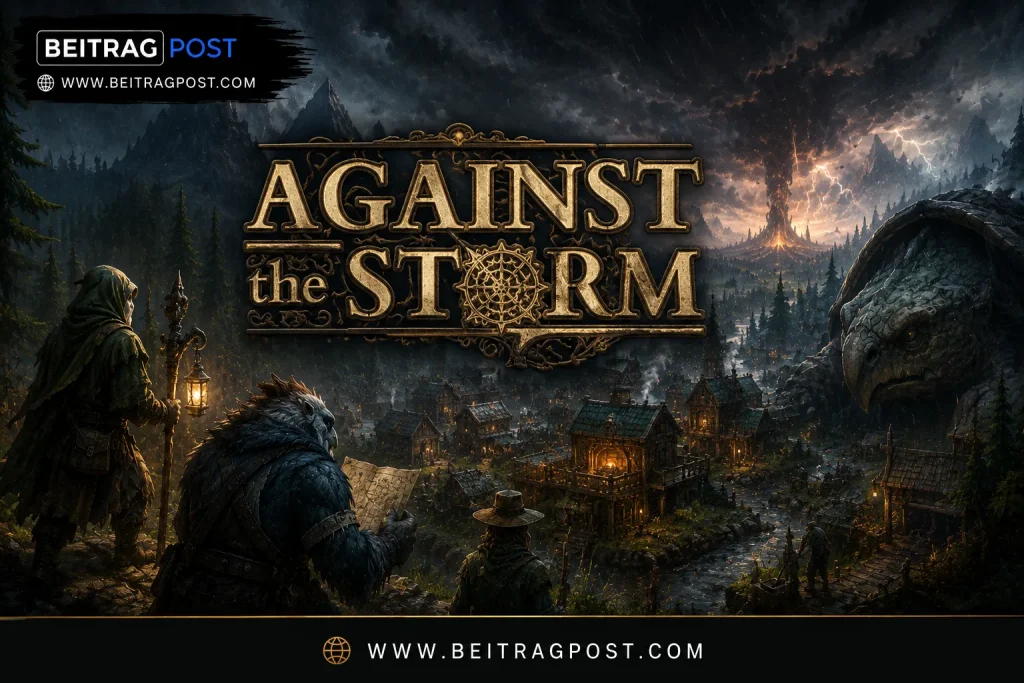
Best for Players Who Want Every New Settlement to Feel Completely Different
Most city-building games have one long-term goal.
Build.
Expand.
Optimize.
Eventually create the biggest, most efficient city possible.
Against the Storm challenges that idea from the very beginning.
Just when your settlement becomes stable, you’re asked to leave it behind and start somewhere new.
Not because you failed.
Because your work there is finished.
Instead of spending dozens of hours perfecting one city, you build many smaller settlements across an ever-changing world threatened by endless storms.
Each expedition introduces different resources, terrain, weather conditions, and objectives.
That simple change transforms the entire city-building formula.
Rather than memorizing one perfect strategy, you’re constantly learning how to adapt.
And adaptation quickly becomes your greatest strength.
Every Settlement Begins With Different Challenges
No two expeditions feel identical.
One settlement may offer fertile farmland but limited building materials.
Another begins deep inside dangerous forests filled with hidden threats and valuable opportunities.
Some maps encourage trade.
Others reward efficient production.
Because resources change from one settlement to the next, your opening strategy changes as well.
You stop asking,
“What’s the best build order?”
Instead, you ask,
“Given this map, what’s the smartest way to survive?”
That single question keeps every session fresh.
Managing People Is Just as Important as Managing Resources
Against the Storm isn’t only about collecting wood, food, or stone.
It’s also about understanding the different species living in your settlement.
Humans, Beavers, Lizards, Harpies, and Foxes each bring unique strengths and expectations.
A workplace that satisfies one group may reduce the happiness of another.
Some species excel in certain professions.
Others become more productive under different conditions.
As your settlement grows, leadership becomes less about construction and more about balance.
Keeping every group productive requires thoughtful planning rather than simply assigning workers wherever space is available.
That extra layer of management gives the game surprising strategic depth without becoming overwhelming.
Exploration Always Carries Risk
Expanding deeper into the surrounding forest isn’t a routine task.
Every new clearing could contain valuable resources, abandoned structures, rare opportunities—or dangerous events that immediately demand your attention.
Sometimes exploration solves your biggest problems.
Other times, it creates entirely new ones.
That uncertainty makes every decision feel exciting.
Should you expand now in search of better resources?
Or strengthen your current settlement before taking additional risks?
The answer changes every game.
That’s exactly what makes Against the Storm so replayable.
If you’re also looking for outstanding games outside the strategy genre, our guide to Best Games to Play in 2026 features more highly recommended titles across PC and consoles.
Success Comes From Adapting, Not Following a Formula
Many strategy games eventually encourage players to discover the “best” way to play.
Against the Storm actively prevents that from happening.
A strategy that worked perfectly during your previous settlement may completely fail in the next one.
Perhaps fertile soil is no longer available.
Maybe the resources needed for your favorite production chain don’t exist on the current map.
The species joining your settlement might have completely different needs.
Instead of relying on habit, you’re constantly evaluating new situations.
That flexibility becomes your greatest advantage.
Experienced players aren’t successful because they memorize build orders.
They’re successful because they quickly recognize opportunities and adjust their plans.
Reputation Is Your Most Valuable Resource
Unlike traditional city builders where expansion is the primary objective, Against the Storm measures success differently.
Your goal is to earn enough reputation before the Queen loses patience.
That changes how you think about every decision.
Sometimes producing more goods is the right answer.
Other times, completing a dangerous event or improving citizen happiness generates reputation much faster.
The game constantly encourages you to weigh short-term gains against long-term progress.
You’re not simply building a beautiful settlement.
You’re building one capable of achieving its objective before time runs out.
Small Settlements Create Surprisingly Big Decisions
At first glance, the settlements seem much smaller than those found in traditional city builders.
Don’t let their size fool you.
Every building placement affects production.
And Every worker assignment changes efficiency.
Every resource invested in one industry delays progress somewhere else.
Because settlements are more compact, every decision feels meaningful.
There’s very little busywork.
Almost everything you do directly influences the outcome of the expedition.
That focused design is one of the reasons many players find Against the Storm so addictive.
Is Against the Storm Beginner-Friendly?
Yes.
Although it introduces several interconnected systems, the game explains them gradually.
Early expeditions provide enough guidance to understand the fundamentals without overwhelming new players.
As confidence grows, higher Prestige levels introduce tougher conditions that encourage more efficient planning and better resource management.
The result is a learning curve that feels challenging without becoming frustrating.
Against the Storm Is Perfect For You If…
- You enjoy city builders with high replayability.
- Adapting to changing conditions sounds exciting.
- Resource management is one of your favorite mechanics.
- You prefer shorter campaigns over one massive city.
- Roguelite progression keeps you motivated.
You Should Skip Against the Storm If…
- You prefer building one permanent city.
- Constantly starting new settlements doesn’t appeal to you.
- You dislike adapting your strategy every game.
- Slow, sandbox-style city builders are more your style.
Quick Specs
| Feature | Details |
|---|---|
| Genre | Roguelite City Builder |
| Platforms | PC |
| Difficulty | Medium |
| Average Settlement | 1–3 Hours |
| Replayability | Outstanding |
Editor’s Verdict
Against the Storm reinvents city-building by proving that starting over doesn’t have to feel like losing progress. Every settlement introduces fresh strategic challenges, encouraging adaptation instead of repetition. If you’re looking for a management game that stays engaging for hundreds of hours, it’s easily one of the best strategy games in recent years.
8. Northgard
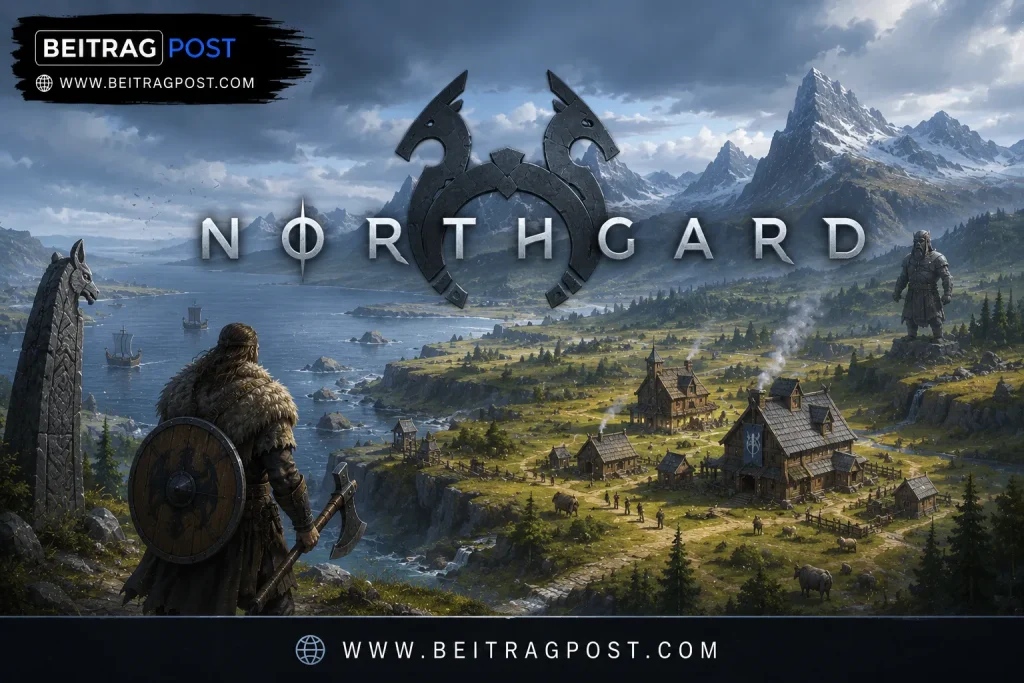
Best for Players Who Believe Preparation Is More Important Than Expansion
The first few months feel comfortable.
Your villagers gather food.
Wood supplies continue growing.
A nearby territory looks ready to claim.
Everything seems under control.
Then winter arrives.
Food production slows dramatically.
Wood disappears faster than expected.
Villagers become less productive.
Suddenly, the biggest threat isn’t a rival clan.
It’s the cold.
That moment defines Northgard.
Unlike many real-time strategy games where expanding quickly is almost always the correct decision, Northgard constantly asks a different question.
Can your settlement actually survive the growth you’re chasing?
Sometimes the smartest move isn’t claiming another territory.
It’s making sure the one you already own can survive the coming winter.
That’s exactly why Northgard has earned its place among the best strategy games for players who enjoy thoughtful planning instead of relentless aggression.
Every New Territory Brings New Responsibilities
Expansion always feels rewarding.
Until you realize every new region increases your workload.
Additional land requires more villagers.
More villagers consume more food.
Larger populations demand additional housing.
Housing requires wood.
Wood becomes scarce during winter.
One ambitious decision quietly creates several new problems.
Northgard constantly reminds you that growth without preparation is dangerous.
Instead of expanding whenever possible, successful players carefully evaluate whether their economy can support another territory before making a move.
Nature Is Just as Dangerous as Your Enemies
Many strategy games focus almost entirely on warfare.
Northgard treats the environment like another powerful opponent.
Harsh winters slow production.
Wild animals guard valuable land.
Natural events interrupt carefully planned economies.
Ignoring seasonal preparation often causes more damage than enemy attacks.
Because survival depends on balancing exploration, production, and resource storage, every season creates a new strategic challenge.
You aren’t simply defeating rival clans.
You’re learning how to survive the world itself.
Different Clans Encourage Different Thinking
Every clan offers unique bonuses that naturally change your priorities.
Some reward aggressive expansion.
Others thrive through trade, exploration, or efficient resource management.
Rather than feeling like cosmetic differences, these strengths genuinely influence how you approach each campaign.
Learning a new clan often means learning a completely different strategic rhythm.
That variety keeps replayability remarkably high while encouraging experimentation.
Strong Economies Win Long Games
Experienced Northgard players rarely measure success by military size alone.
They pay close attention to food reserves, wood production, population growth, and long-term sustainability.
A powerful army means very little if your economy collapses halfway through winter.
That’s why patience consistently outperforms reckless expansion.
Well-managed settlements recover from setbacks.
Poorly managed ones struggle long before the final battle begins.
If you’re also interested in discovering excellent games that won’t cost anything to play, don’t miss our guide to Best Free PC Games, where we’ve rounded up several outstanding free titles across different genres, including strategy experiences worth trying.
Every Season Forces You to Rethink Your Priorities
Northgard never lets you become too comfortable.
Just when your economy feels stable, the next winter approaches.
That changes everything.
Instead of training more soldiers, you might need additional woodcutters.
Instead of exploring new territory, storing food suddenly becomes the highest priority.
A settlement that looked prosperous during summer can quickly begin struggling once temperatures fall.
The game rewards players who prepare early rather than reacting after problems appear.
That constant shift in priorities keeps every campaign engaging.
You’re never following a fixed checklist.
You’re responding to the world around you.
Small Decisions Quietly Shape the Entire Campaign
One of Northgard’s greatest strengths is how ordinary choices gradually become significant.
Perhaps you delay building another food-producing structure because current supplies seem adequate.
A few months later, winter lasts longer than expected.
Food reserves disappear.
Villagers become unhappy.
Productivity drops.
Suddenly, a decision made much earlier begins affecting every part of your settlement.
The game rarely punishes players immediately.
Instead, it allows consequences to develop naturally.
That’s why victories feel satisfying.
They’re built from dozens of thoughtful decisions rather than one spectacular moment.
Is Northgard Beginner-Friendly?
Absolutely.
The fundamentals are easy to understand.
Gather resources.
Expand carefully.
Prepare for winter.
Protect your people.
As your confidence grows, different clans, victory conditions, and higher difficulty levels introduce additional complexity without overwhelming you.
That balance makes Northgard one of the easiest real-time strategy games for newcomers while still offering enough depth for experienced players.
Northgard Is Perfect For You If…
- You enjoy survival mechanics alongside strategy.
- Economy management is just as enjoyable as combat.
- Slower, thoughtful gameplay appeals to you.
- Long-term planning feels more rewarding than constant battles.
- Replayability is important.
You Should Skip Northgard If…
- You prefer nonstop large-scale warfare.
- Fast-paced competitive RTS games are your favorite.
- Survival systems feel more frustrating than enjoyable.
- You want highly cinematic campaigns.
Quick Specs
| Feature | Details |
|---|---|
| Genre | Real-Time Strategy / Survival |
| Platforms | PC, PlayStation, Xbox, Nintendo Switch |
| Difficulty | Medium |
| Average Campaign | 20–40 Hours |
| Replayability | High |
Editor’s Verdict
Northgard succeeds because it slows strategy down just enough to make every decision matter. By combining resource management, seasonal survival, and approachable RTS mechanics, it creates an experience that’s easy to learn, rewarding to master, and consistently enjoyable across repeated playthroughs.
9. Into the Breach
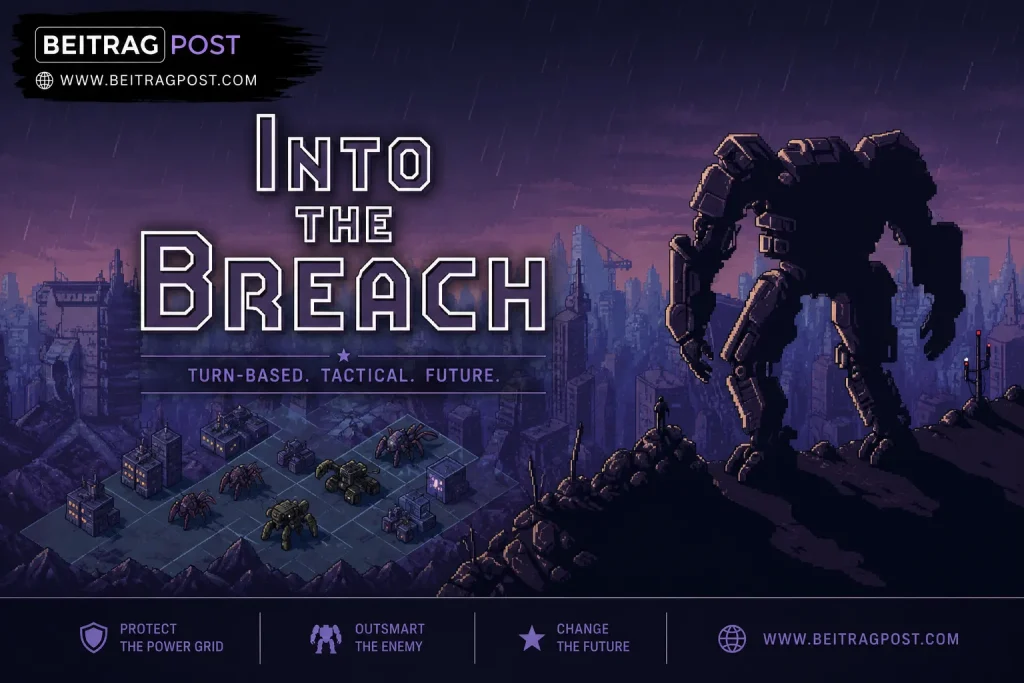
Best for Players Who Enjoy Solving Impossible Tactical Problems
One monster is about to destroy a hospital.
Another is preparing to crush a power station.
A third is targeting one of your pilots.
The game tells you all of this before your turn even begins.
Every enemy attack is clearly displayed.
Every movement is predictable.
Nothing is hidden.
Winning should be simple.
Instead, it becomes incredibly difficult.
Because your squad only has three mechs.
You can’t stop every attack.
And You can’t save every building.
You can’t protect everyone at the same time.
Somewhere on the battlefield, something is going to be lost.
Your challenge isn’t finding a perfect solution.
It’s deciding which sacrifice hurts the least.
That single idea transforms Into the Breach into one of the smartest tactical experiences ever created.
Every Turn Feels Like Solving a Puzzle
Unlike many strategy games that rely on uncertainty, Into the Breach removes almost all randomness.
You already know what the enemy intends to do.
The challenge comes from deciding how to respond.
Should you push one enemy away from a building?
Block another attack with your own mech?
Destroy a weaker target or reposition a stronger one?
Almost every action creates a new opportunity—and a new problem.
Because each battle lasts only a few turns, every decision carries enormous weight.
There’s no room for careless movement or unnecessary attacks.
Position Matters More Than Damage
Many players instinctively focus on defeating enemies.
Into the Breach quietly teaches a different lesson.
Sometimes pushing an enemy one tile away is more valuable than destroying another entirely.
Blocking an attack often matters more than dealing damage.
Protecting the power grid usually takes priority over eliminating every threat.
Once you begin thinking about positioning instead of raw firepower, the game reveals its true depth.
That’s why experienced players often describe it as a tactical puzzle rather than a traditional turn-based strategy game.
Small Maps Create Surprisingly Deep Strategy
At first glance, the battlefields appear tiny.
Most maps fit comfortably on a single screen.
Yet every square matters.
One misplaced mech can block an important attack angle.
One unnecessary movement can expose civilian buildings.
One clever push can completely change the outcome of an entire turn.
The game proves that strategic depth doesn’t require enormous battlefields or hundreds of units.
Meaningful decisions matter far more than map size.
Failure Always Feels Fair
One of Into the Breach’s greatest achievements is how it handles defeat.
When you lose, you almost always understand why.
You didn’t fail because of hidden information.
And You didn’t lose because the game cheated.
You lost because another decision would have been better.
That transparency makes failure surprisingly motivating.
Instead of feeling punished, you feel challenged to think differently during the next run.
Very few strategy games create that feeling as consistently as Into the Breach.
Every Pilot Changes the Way You Approach Combat
Your mechs may be the stars of the battlefield, but the pilots inside them are what truly shape your strategy.
As campaigns progress, pilots gain experience and unlock abilities that influence every future mission.
A pilot who can act again after completing an objective creates opportunities that didn’t exist before.
Another might ignore terrain hazards, allowing completely different positioning strategies.
Because pilots carry over between runs, losing one hurts far more than simply replacing a unit.
You begin making decisions around protecting experienced pilots instead of chasing risky attacks.
That emotional attachment adds another layer of depth to a game already filled with meaningful choices.
Is Into the Breach Beginner-Friendly?
Yes—but only if you’re willing to think differently.
The controls are simple.
The objectives are clear.
The battlefields are compact.
The challenge comes from learning how seemingly small decisions affect the entire board.
New players often focus on defeating enemies.
Experienced players focus on preventing damage.
Once you understand that protecting objectives is usually more important than eliminating every monster, the game becomes far easier to understand—and far more satisfying to master.
Into the Breach Is Perfect For You If…
- You enjoy tactical puzzles.
- Careful planning is more rewarding than fast reactions.
- You like turn-based gameplay.
- Short play sessions fit your schedule.
- You enjoy games with exceptional replayability.
You Should Skip Into the Breach If…
- You prefer cinematic storytelling.
- Massive armies are an important part of your strategy experience.
- Randomness and unpredictability are what you enjoy most.
- You want large open battlefields instead of compact tactical maps.
Quick Specs
| Feature | Details |
|---|---|
| Genre | Turn-Based Tactical Strategy |
| Platforms | PC, Nintendo Switch |
| Difficulty | Medium to High |
| Average Run | 2–5 Hours |
| Replayability | Outstanding |
Editor’s Verdict
Into the Breach proves that brilliant strategy doesn’t depend on huge maps or complex interfaces. By giving players perfect information and asking them to solve impossible tactical problems, it delivers one of the purest strategy experiences available today. If thoughtful decision-making is what you enjoy most, it’s easily one of the best strategy games you can play.
Best Strategy Games Compared at a Glance
Choosing the right strategy game depends on the type of challenge you enjoy most. Some reward long-term planning, while others test tactical thinking, survival skills, or political decision-making.
| Game | Best For | Difficulty | Replay Value |
|---|---|---|---|
| Civilization VII | Empire building | Medium | ⭐⭐⭐⭐⭐ |
| Age of Empires IV | Competitive RTS | Medium | ⭐⭐⭐⭐⭐ |
| XCOM 2 | Tactical combat | High | ⭐⭐⭐⭐⭐ |
| Crusader Kings III | Politics and diplomacy | High | ⭐⭐⭐⭐⭐ |
| Total War: Warhammer III | Large-scale warfare | Medium–High | ⭐⭐⭐⭐⭐ |
| Frostpunk | Survival management | High | ⭐⭐⭐⭐☆ |
| Against the Storm | Roguelite city building | Medium | ⭐⭐⭐⭐⭐ |
| Northgard | RTS with survival | Medium | ⭐⭐⭐⭐☆ |
| Into the Breach | Tactical puzzle strategy | Medium–High | ⭐⭐⭐⭐⭐ |
How We Selected These Games
Every recommendation in this guide was chosen using the same editorial standards rather than popularity alone.
We focused on games that consistently deliver:
- Meaningful strategic decision-making.
- Strong replayability across multiple campaigns.
- Well-designed progression systems.
- High long-term player satisfaction.
- A balance between accessibility and depth.
- Active communities or continued developer support.
Most importantly, each game rewards intelligent planning instead of repetitive gameplay, making them excellent long-term recommendations for strategy fans.
Which Strategy Game Should You Choose?
If you’re still unsure where to begin, here’s a simple guide.
Choose Civilization VII if…
You enjoy building civilizations, exploring history, and making long-term decisions over dozens of hours.
Choose Age of Empires IV if…
You want fast-paced real-time strategy where economy, multitasking, and competitive play are equally important.
Choose XCOM 2 if…
You prefer tactical combat where every soldier matters and every decision has lasting consequences.
Choose Crusader Kings III if…
Politics, diplomacy, and dynasty management sound more exciting than constant warfare.
Choose Total War: Warhammer III if…
You want spectacular battles combined with deep campaign management.
Choose Frostpunk if…
You enjoy survival games that challenge both your strategic thinking and your moral judgment.
Choose Against the Storm if…
You like adapting to new situations instead of repeating the same strategy every game.
Choose Northgard if…
You want a more approachable real-time strategy game that balances expansion with seasonal survival.
Choose Into the Breach if…
You enjoy solving tactical puzzles where every move has immediate consequences.
Frequently Asked Questions
What is the best strategy game for beginners?
Northgard and Civilization VII are excellent starting points because they introduce important strategy mechanics without overwhelming new players.
Which strategy game has the highest replay value?
Civilization VII, Crusader Kings III, and Against the Storm offer exceptional replayability thanks to different factions, maps, objectives, and campaign outcomes.
What is the best real-time strategy game?
Age of Empires IV remains one of the strongest real-time strategy games available, combining competitive multiplayer with deep economic and military systems.
Which strategy game is the most challenging?
XCOM 2 and Frostpunk are among the toughest recommendations on this list because every mistake carries meaningful long-term consequences.
Are strategy games still worth playing in 2026?
Absolutely. Modern strategy games offer incredible variety, from empire building and city management to tactical combat and political simulation. Whether you prefer relaxing planning or high-pressure decision-making, there’s a strategy game that matches your playstyle.
Final Verdict
The best strategy games don’t simply reward players for making quick decisions.
They reward players for making the right decisions.
Whether you’re guiding a civilization through history, protecting a frozen city from collapse, commanding fantasy armies, or solving tactical battles one move at a time, every game on this list offers a different way to challenge your thinking.
If you enjoy exploring outstanding titles across every genre, our guide to Best Games to Play in 2026 is the perfect next read. And if you’re looking to expand your library without spending money, don’t miss our roundup of Best Free PC Games, where you’ll find several excellent strategy experiences alongside other must-play recommendations.
The right strategy game won’t just test your planning skills.
It will change the way you approach every challenge both on the battlefield and beyond.