Difference Between Normal Cells and Cancer Cells: A Complete Guide
Understanding the difference between normal cell and cancer cells is crucial not only for students and researchers but also for anyone interested in human health and disease prevention. At the core, cells are the building blocks of life, but when normal cellular processes go awry, they can transform into cancer cells, causing uncontrolled growth and potentially life-threatening conditions. Let’s dive into what makes these cells fundamentally different.
What Are Normal Cells?
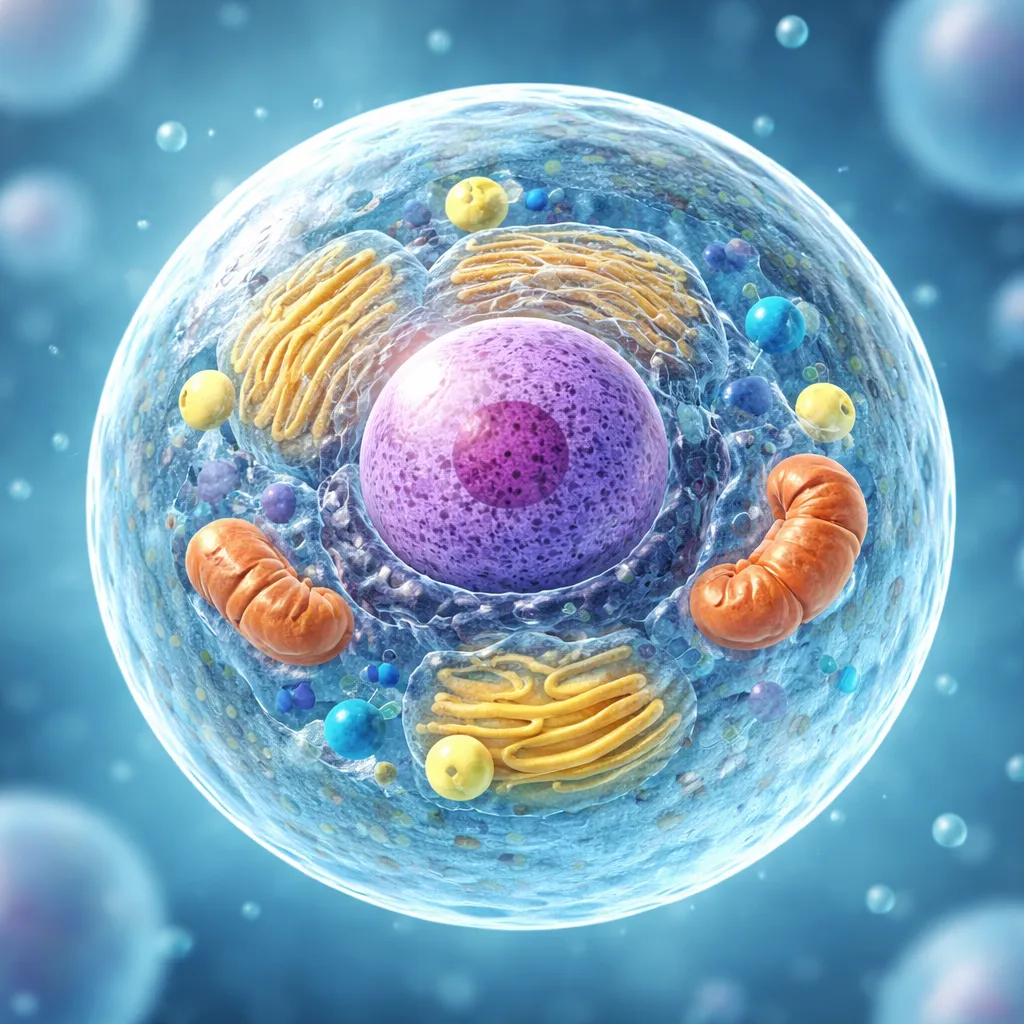
Normal cells are the body’s foundation, performing specialized tasks to maintain health. They follow precise rules that ensure proper function, repair, and growth.
Key Characteristics of Normal Cells
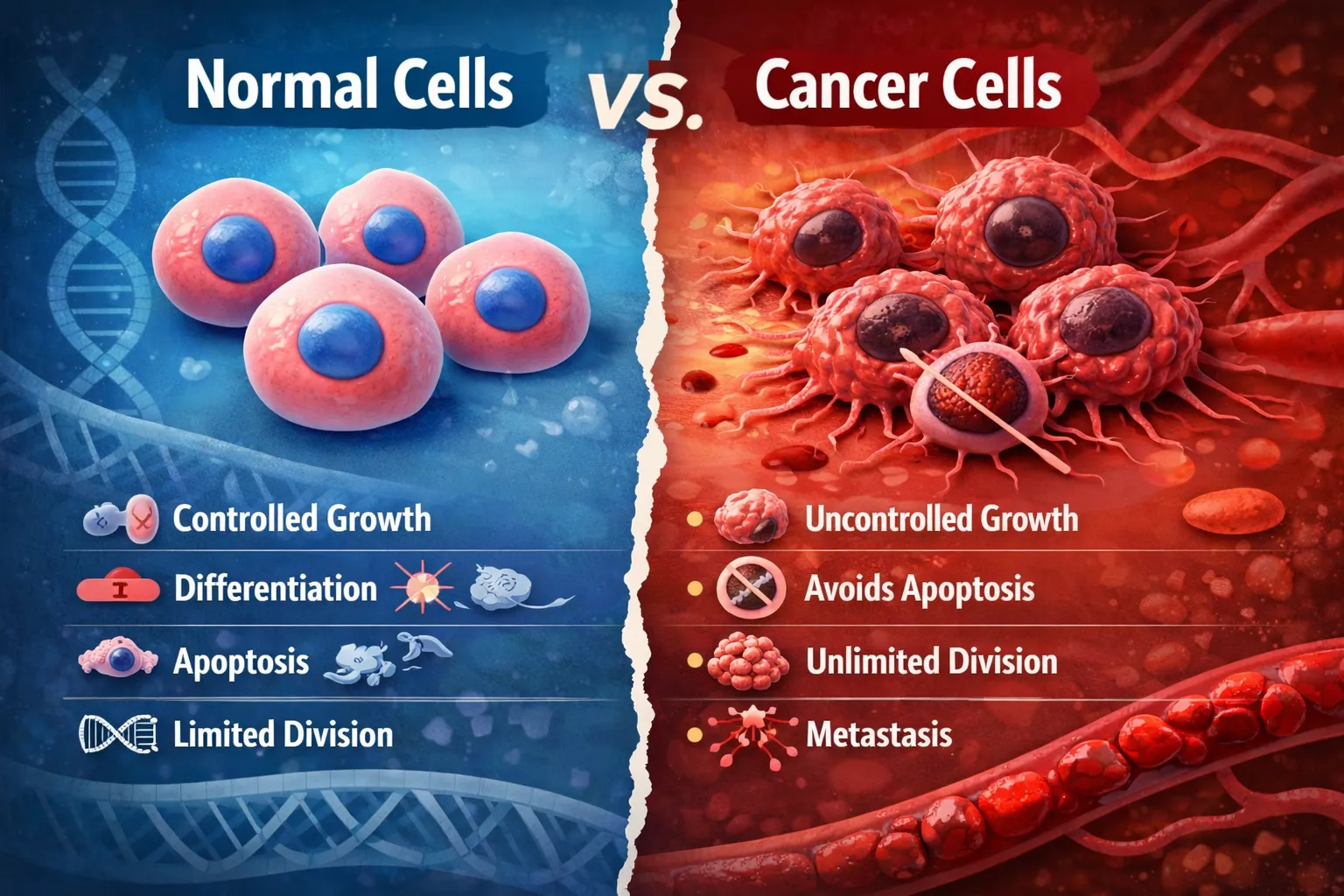
- Controlled Growth – Normal cells divide only when needed, following strict internal and external signals.
- Differentiation – They develop specific structures and functions to perform particular tasks, like muscle contraction or hormone secretion.
- Programmed Cell Death (Apoptosis) – When damaged or old, normal cells undergo apoptosis, a natural process that eliminates faulty cells.
- Limited Lifespan – Normal cells have a finite number of divisions, a mechanism known as the Hayflick limit, preventing excessive growth.
- Adhesion and Communication – These cells stick to each other and communicate with surrounding tissues to maintain proper tissue structure.
In simple terms, normal cells are like disciplined workers: they know when to act, when to rest, and when to retire.
What Are Cancer Cells?
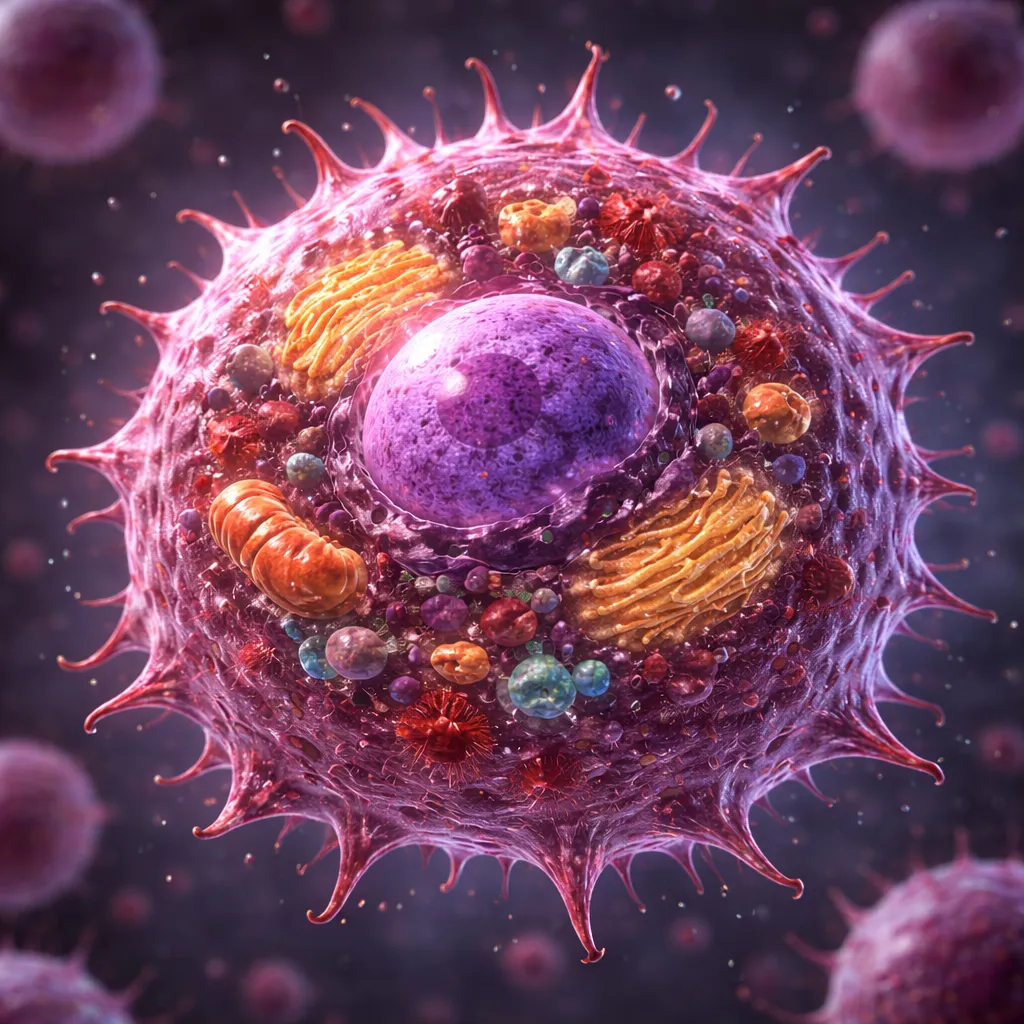
Cancer cells are essentially normal cells gone rogue. They ignore the rules that govern cell growth and death, leading to uncontrolled proliferation and the potential to spread throughout the body.
Key Characteristics of Cancer Cells
- Uncontrolled Growth – Unlike normal cells, cancer cells divide uncontrollably, forming masses known as tumors.
- Loss of Differentiation – Cancer cells often lose their specialized function, making them less effective at performing normal body tasks.
- Avoidance of Apoptosis – They resist programmed cell death, allowing damaged or mutated cells to survive.
- Unlimited Divisions – Cancer cells can divide indefinitely, bypassing the natural Hayflick limit.
- Metastasis – They can invade surrounding tissues and spread to other parts of the body through the bloodstream or lymphatic system.
- Altered Communication – Cancer cells often lose the ability to properly interact with neighboring cells, leading to tissue disorganization.
In short, cancer cells behave like unruly workers: they ignore rules, multiply recklessly, and disrupt the organization of their environment.
Key Differences Between Normal Cell and Cancer Cells
Here’s a clear comparison to highlight the main differences:
| Feature | Normal Cells | Cancer Cells |
|---|---|---|
| Growth | Controlled and regulated | Uncontrolled and excessive |
| Differentiation | Fully specialized | Poorly differentiated or abnormal |
| Cell Death | Undergoes apoptosis when damaged | Avoids apoptosis, survives abnormally |
| Division Limit | Finite (Hayflick limit) | Infinite divisions |
| Communication | Normal signaling and adhesion | Disrupted communication, abnormal adhesion |
| Effect on Tissue | Maintains tissue structure | Invades and damages tissues |
| Metastasis | Non-invasive | Can spread to other body parts |
This table provides a quick snapshot of why cancer cells are dangerous and why early detection is vital.
Key Differences in Detail
- Growth Control – Normal cells divide only when necessary, cancer cells grow nonstop.
- Differentiation – Normal cells perform specific roles; cancer cells lose this specialization.
- Apoptosis – Normal cells die when damaged; cancer cells resist this process.
- Division Limit – Normal cells have a limit; cancer cells can divide indefinitely.
- Tissue Interaction – Normal cells maintain healthy tissue; cancer cells invade and disrupt tissues.
- Metastasis – Only cancer cells can spread to other body parts through blood or lymph.
How Cancer Cells Develop
Cancer forms when genetic mutations disrupt normal cell functions. Factors include:
- Carcinogens like tobacco or chemicals
- Inherited genetic mutations
- Viral infections (e.g., HPV)
- Random DNA replication errors
These mutations allow cells to bypass growth controls, ignore apoptosis, and start forming tumors.
Why Understanding the Difference Matters
Recognizing the difference between normal cell and cancer cells helps in:
- Early Detection – Knowing what abnormal growth looks like can aid in early screening.
- Targeted Treatment – Cancer therapies aim to exploit the weaknesses of cancer cells, such as their reliance on certain growth pathways.
- Prevention Strategies – Lifestyle changes and regular screenings can reduce the risk of normal cells turning cancerous.
For example, chemotherapy targets rapidly dividing cells, which is why it affects cancer cells more than normal ones, although some healthy rapidly dividing cells are affected too.
Common Misconceptions
- All tumors are cancerous: Not true. Benign tumors are made of abnormal cells but do not invade other tissues.
- Cancer cells are larger than normal cells: Size varies; the main issue is uncontrolled growth, not cell size.
- Cancer only affects older adults: While risk increases with age, cancer can occur at any age, depending on genetic and environmental factors.
Conclusion
The difference between normal cell and cancer cells boils down to control and function. Normal cells obey strict rules for growth, division, and death, while cancer cells bypass these rules, leading to unchecked proliferation, tissue invasion, and potential metastasis. Understanding these differences is crucial for prevention, early detection, and effective treatment.
By recognizing the warning signs and adopting healthy habits, you can help keep normal cells functioning optimally and reduce the chances of abnormal transformation. Knowledge truly is the first line of defense against cancer.