Bullet Ants: The World’s Most Painful Insect Sting Explained
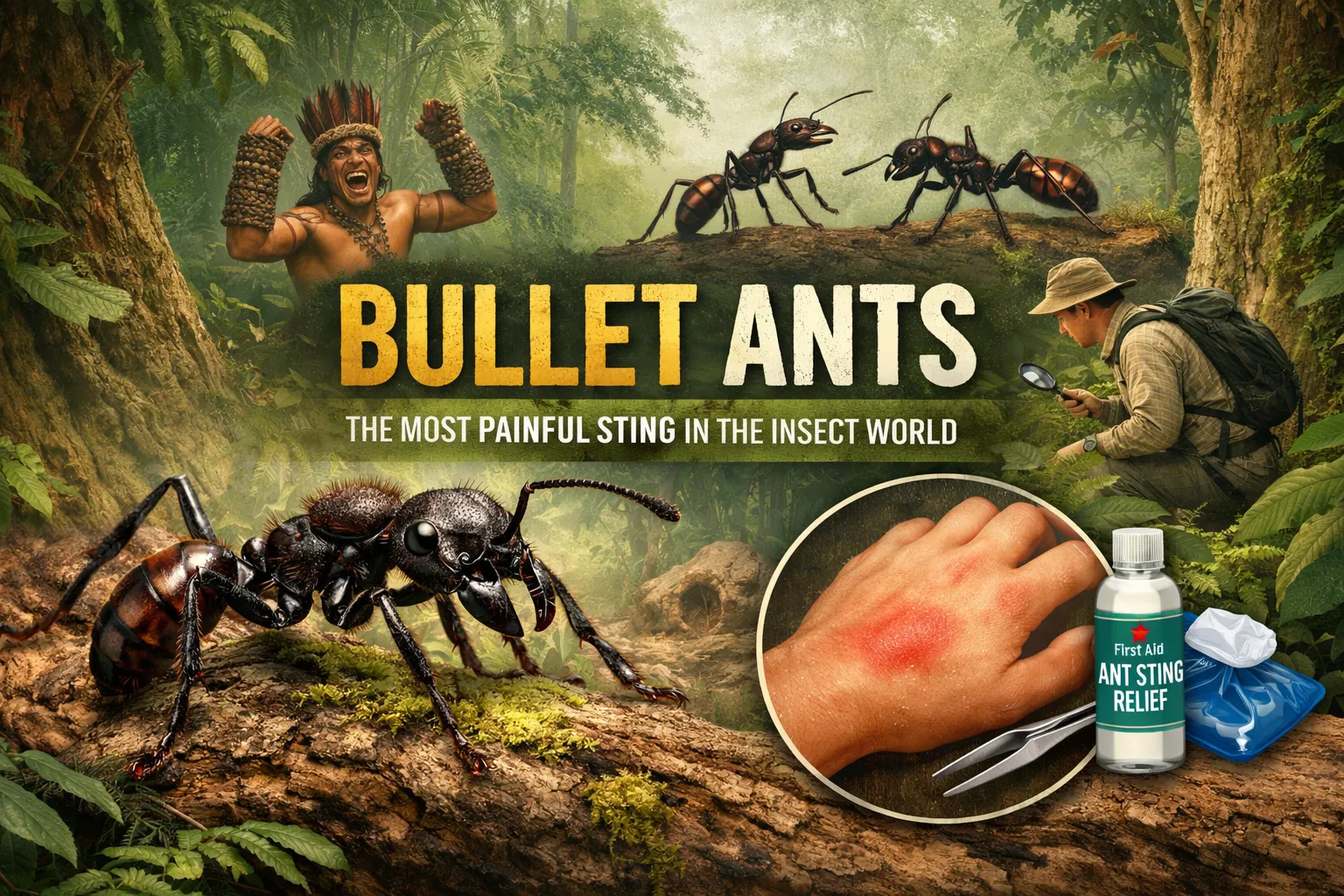
Bullet ants are giant rainforest ants famous for delivering what scientists describe as the most painful insect sting on Earth. People search for bullet ants mainly to understand how dangerous they are, where they live, how their sting feels, and whether they pose a real threat to humans. The simple answer: bullet ants are not typically aggressive toward people, but their sting is extremely painful and can last up to 24 hours. Knowing how to avoid them and what to do if stung can prevent serious discomfort and potential medical issues.
What Are Bullet Ants?
Bullet ants are large tropical ants scientifically known as Paraponera clavata. They belong to one of the most primitive ant species still alive today. These insects are best known for their powerful venom and intense defensive behavior when their colony is disturbed.
Quick Facts About Bullet Ants
- Scientific name: Paraponera clavata
- Size: About 18–30 mm long
- Habitat: Tropical rainforests in Central and South America
- Diet: Nectar, small insects, and tree sap
- Pain level: Ranked highest on the Schmidt Sting Pain Index
Bullet ants are often called 24-hour ants because the pain from their sting can last an entire day. Their large size and aggressive defensive response make them stand out among rainforest insects.
Why Are Bullet Ants Famous?
Bullet ants gained global attention mainly due to their extremely painful sting. Entomologist Justin Schmidt, who created the Schmidt Sting Pain Index, ranked the bullet ant sting as the highest pain level among all insects.
People who have experienced it often describe the sensation as:
- Burning, throbbing, and electric-like pain
- Temporary paralysis in some cases
- Intense discomfort lasting 12 to 24 hours
Despite this extreme pain, bullet ants are rarely deadly. However, allergic reactions or multiple stings can become serious medical emergencies.
Where Do Bullet Ants Live?
Bullet ants are native to humid tropical rainforests across Central and South America. They are commonly found in:
- Brazil
- Costa Rica
- Nicaragua
- Honduras
- Venezuela
- Colombia
- Peru
Typical Bullet Ant Habitat
Bullet ants prefer warm and moist environments. They usually build their nests:
- At the base of large rainforest trees
- Underground in forest soil
- Near tree roots or fallen logs
They often live in lowland rainforests but can also survive in higher elevations depending on environmental conditions.
What Do Bullet Ants Look Like?
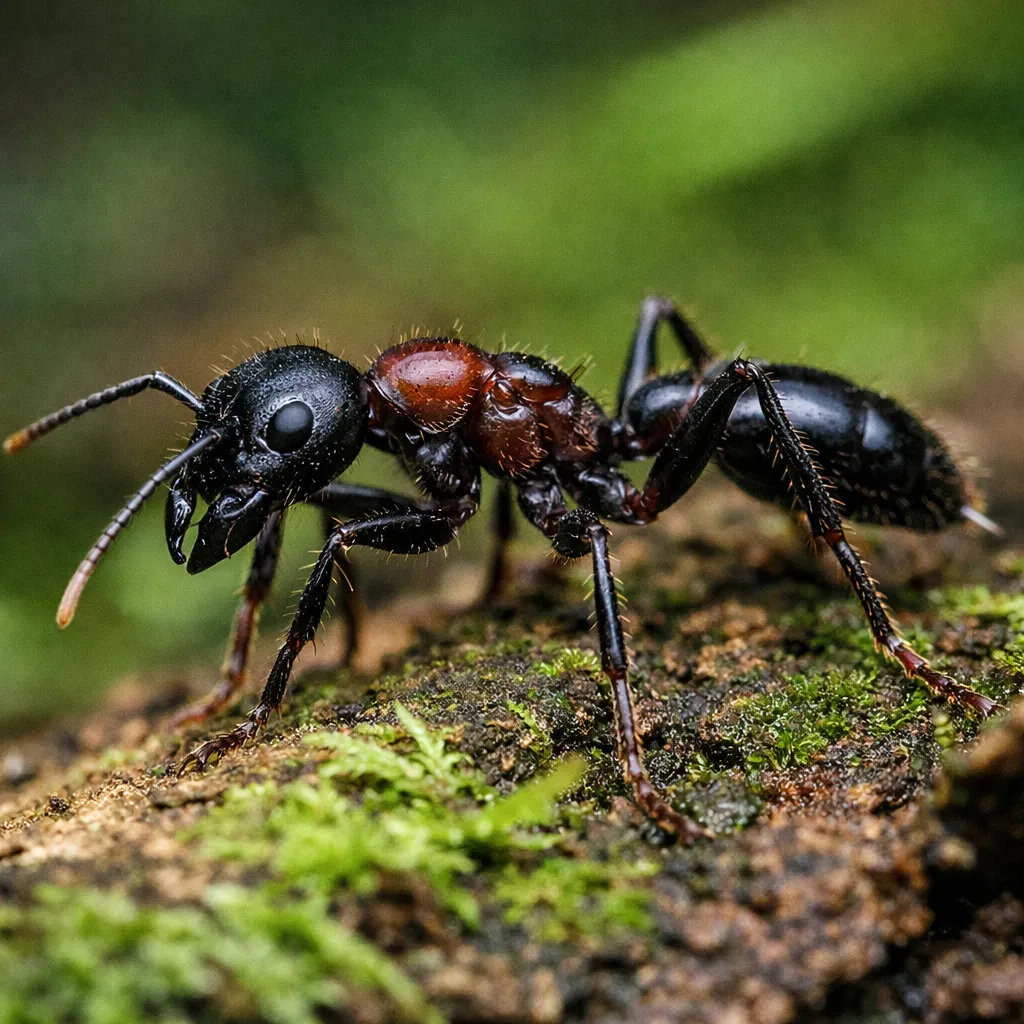
Bullet ants are easy to identify due to their size and color. They are among the largest ants in the world.
Physical Characteristics
- Dark reddish-brown or black body
- Large, strong mandibles
- Thick and powerful stinger
- Long legs designed for climbing trees
Unlike many ants, These ants do not rely heavily on numbers for defense. Instead, they use their painful sting as a powerful protective weapon.
How Painful Is a Bullet Ant Sting?
The sting from a bullet ant is considered the most painful insect sting known to science. It scores a 4+ rating on the Schmidt Pain Index, which is the highest level possible.
What Does the Sting Feel Like?
People commonly describe it as:
- Feeling like being shot by a bullet
- Waves of burning and stabbing pain
- Intense throbbing lasting several hours
- Possible muscle tremors or sweating
Pain typically peaks within the first few hours and slowly decreases over 24 hours. In some cases, discomfort can last longer.
Are Bullet Ants Dangerous to Humans?
These ants are not naturally aggressive toward humans. They sting mainly for defense when their nest or territory is disturbed.
Health Risks of Bullet Ant Stings
For most people, symptoms include:
- Severe pain
- Swelling around the sting area
- Redness and inflammation
- Temporary muscle spasms
However, serious complications may occur if someone experiences:
- Allergic reactions
- Multiple stings
- Secondary infections
People with insect venom allergies should seek immediate medical help if stung.
Bullet Ant Sting Treatment and First Aid
Knowing how to treat a bullet ant sting can reduce pain and prevent complications.
Immediate First Aid Steps
- Move away from the ant colony to avoid more stings.
- Clean the sting area with soap and water.
- Apply a cold compress to reduce swelling.
- Use over-the-counter pain relief if needed.
- Monitor for allergic reactions such as breathing difficulty or severe swelling.
When to Seek Medical Attention
- If symptoms worsen
- If multiple stings occur
- If signs of an allergic reaction appear
- If pain lasts longer than 24 hours
Proper sting treatment can significantly reduce discomfort and speed recovery.
Why Do Bullet Ants Sting?
These ants sting mainly to protect their colony. Their nests contain larvae, food reserves, and a queen ant, making defense critical for survival.
Common Reasons for Bullet Ant Attacks
- Stepping near or on their nest
- Disturbing tree roots where they live
- Accidentally touching them while hiking
- Vibrations or loud movements near their territory
Unlike aggressive swarm insects, bullet ants usually give warning signs before stinging, such as raising their body posture.
Bullet Ants and Indigenous Cultural Rituals
These ants play a surprising role in some indigenous traditions, especially among Amazon rainforest tribes.
Bullet Ant Initiation Ritual
Certain tribes use bullet ants in a traditional coming-of-age ceremony for young warriors. The ritual involves:
- Placing bullet ants inside woven gloves
- Sedating ants temporarily before weaving them
- Requiring participants to wear the gloves for several minutes
The ceremony symbolizes strength, endurance, and courage. Participants may repeat the ritual multiple times to complete initiation.
Bullet Ant Diet and Behavior
Bullet ants are omnivorous insects. Their diet helps maintain rainforest ecosystems.
What Bullet Ants Eat
- Tree nectar
- Small insects
- Fruits and plant secretions
- Arthropods
They play an important role in controlling insect populations and supporting plant pollination.
Social Structure
Bullet ants live in colonies that usually contain several hundred ants. Compared to other ant species, their colonies are smaller but highly organized.
Bullet Ants vs Other Dangerous Ant Species
Many people compare These ants with other painful or aggressive ants. Understanding the differences helps highlight why bullet ants are unique.
Bullet Ant vs Fire Ant
- Bullet ants deliver stronger pain
- Fire ants attack in groups
- Fire ant stings often cause pustules
Bullet Ant vs Army Ant
- Army ants rely on swarm attacks
- Bullet ants rely on powerful individual stings
These ants stand out because of the intensity and duration of their sting rather than colony size or aggression level.
How to Avoid Bullet Ant Encounters
Travelers and rainforest explorers can reduce risk by following simple safety precautions.
Prevention Tips
- Wear protective footwear when hiking
- Avoid sitting or leaning against large trees
- Watch for ant trails on tree trunks
- Stay alert in tropical rainforest areas
- Use insect-repellent clothing
Learning to recognize bullet ant habitats can greatly reduce the chances of being stung.
Interesting Facts About Bullet Ants
Bullet ants are fascinating insects with several unique traits.
- Their sting venom contains neurotoxic compounds
- They communicate using pheromone signals
- They are considered one of the oldest ant lineages
- Their sting pain is often used as a scientific comparison scale
- Bullet ants rarely invade homes or urban areas
These characteristics make bullet ants one of the most studied rainforest insect species.
Ecological Importance of Bullet Ants
Bullet ants contribute to rainforest biodiversity and environmental balance.
Environmental Roles
- Control pest insect populations
- Help recycle organic matter
- Support plant growth through pollination
- Maintain ecosystem balance
Protecting rainforest habitats helps preserve bullet ant populations and overall biodiversity.
Are Bullet Ants Endangered?
Currently, bullet ants are not classified as endangered. However, habitat destruction caused by deforestation threatens their natural environment.
Conservation Concerns
- Rainforest loss reduces nesting areas
- Climate change affects tropical ecosystems
- Human expansion disrupts insect habitats
Protecting rainforests is essential for maintaining bullet ant populations and other wildlife species.
Frequently Asked Questions About Bullet Ants
How long does a bullet ant sting last?
Pain usually lasts between 12 and 24 hours but can vary depending on individual sensitivity.
Can a bullet ant sting kill you?
Deaths are extremely rare. However, allergic reactions can become life-threatening if untreated.
Are bullet ants aggressive?
They are defensive rather than aggressive. They sting mainly when their colony is threatened.
Where can you find bullet ants?
They live in tropical rainforests of Central and South America, especially near tree bases.
Final Thoughts
Bullet ants are one of nature’s most fascinating and intimidating insects. Their powerful sting, rainforest habitat, and ecological importance make them a unique part of tropical biodiversity. While their sting is extremely painful, bullet ants are not naturally dangerous when left undisturbed. Understanding their behavior, habitat, and safety precautions helps people safely explore rainforest environments while respecting wildlife.
Learning about bullet ants also highlights the importance of preserving tropical ecosystems, which support countless rare and valuable species. Respecting these insects from a safe distance allows people to appreciate one of the most remarkable survival mechanisms found in the insect world.